 By Saurav
A tap may seem like a small fitting, but it is one of the most frequently used components in any Indian home. Kitchen taps are opened dozens of times a day, bathroom fittings regularly come into contact with water and cleaning products, and outdoor taps may face direct sunlight, dust and changing temperatures. Choosing the wrong material can therefore lead to leaks, cracks, loose connections or frequent replacement.
This is one reason brass taps are commonly preferred over basic plastic taps for permanent residential plumbing. Brass provides greater mechanical strength, generally handles regular use and temperature changes better, and can support a wide variety of premium finishes and designs. Plastic taps, on the other hand, are lightweight, corrosion-resistant and economical, making them useful for certain low-cost or temporary applications.
The choice is not simply about which material is “good” or “bad.” It depends on location, water conditions, usage and budget. However, for frequently used kitchens and bathrooms where long service life matters, a well-manufactured brass tap usually has several practical advantages.
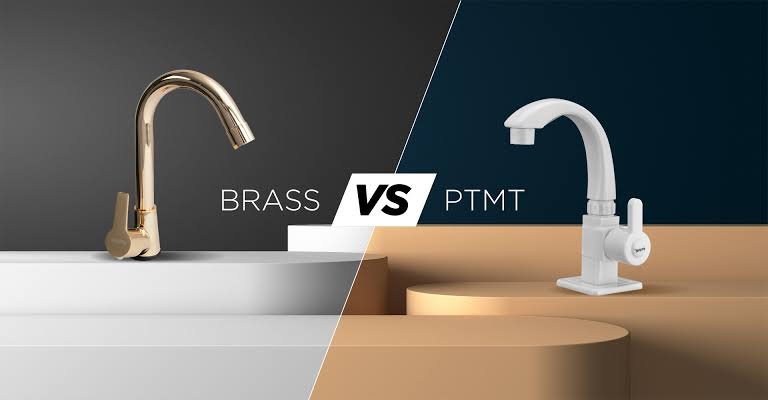
Brass Taps vs Plastic Taps: Quick Comparison
| Factor | Brass Taps | Plastic Taps |
|---|---|---|
| Strength | Generally high | Depends heavily on plastic type and quality |
| Durability | Usually suited to long-term use | Better for lighter-duty applications |
| Hot Water | Commonly suitable when properly specified | Temperature tolerance varies |
| Pressure Handling | Generally stronger | Product-dependent |
| Appearance | Premium finishes widely available | Usually simpler |
| Weight | Heavier | Very lightweight |
| Corrosion | Good resistance, but surface changes can occur | Does not rust like metal |
| Installation | Requires correct fitting and sealing | Easy to handle |
| Initial Cost | Usually higher | Usually lower |
| Long-Term Value | Often better for permanent installations | Useful where low initial cost matters |
Brass Provides Greater Mechanical Strength
The biggest practical advantage of brass is strength.
A tap experiences more physical stress than many homeowners realise. Handles are repeatedly turned, cartridges operate thousands of times, threaded connections remain under plumbing pressure, and users sometimes unintentionally pull or push against the fixture.
Brass bodies generally tolerate this regular mechanical stress better than inexpensive plastic alternatives.
This makes brass particularly suitable for:
- Kitchen sinks
- Wash basins
- Frequently used bathrooms
- Utility areas
- Commercial washrooms
- Long-term residential installations
Plastic taps can work perfectly well in suitable applications, but lower-quality products may become brittle, crack around threads or develop loose components over time.
Brass Is Better Suited to Long-Term Everyday Use
Durability matters because replacing a tap involves more than the purchase price.
There may also be:
- Plumber charges
- Installation time
- Water leakage
- Damage around the fitting
- Repeated maintenance
- Inconvenience while the fixture is unusable
A cheaper tap that requires frequent replacement can eventually cost more than a better-quality fitting installed once and maintained properly.
This is where brass often provides better long-term value.
However, material alone does not determine lifespan.
A poor-quality brass tap can still fail because of a weak cartridge, bad plating, defective seals or poor manufacturing.
When comparing products, consider the complete fitting rather than judging it only by body material.
Brass Generally Handles Water Pressure Better
Water pressure varies considerably between Indian homes.
Some houses depend on overhead tanks and gravity, while apartments may use booster pumps or central pressure systems.
A tap body and its connections must withstand the pressure generated by the plumbing system.
Brass is mechanically strong and commonly used in plumbing components designed for pressurised systems.
This can make it a sensible choice for:
- Pumped water systems
- Multi-storey apartments
- High-use kitchens
- Modern shower systems
- Mixer installations
Plastic fittings can also be engineered for pressure applications, but their suitability depends on the particular polymer, design and manufacturer’s pressure rating.
Never assume that every plastic tap has the same strength.
Hot Water Makes Material Selection More Important
Hot-water compatibility is another reason brass is widely used in bathroom and kitchen fittings.
Homes may receive hot water from:
- Electric geysers
- Solar water heaters
- Heat pumps
- Central hot-water systems
A tap connected to hot water must tolerate repeated temperature changes.
Brass is widely used for hot and cold plumbing applications when the fitting is manufactured and rated appropriately.
Plastic materials behave differently.
Some engineered plastics can handle elevated temperatures effectively, while cheaper products may soften, deform or deteriorate when exposed to temperatures beyond their design limits.
Therefore, a plastic tap should never be connected to a hot-water line unless the manufacturer specifically confirms its suitability.
Brass Offers a More Premium Appearance
Bathrooms and kitchens have become major design spaces in modern Indian homes.
Homeowners increasingly coordinate taps with:
- Sinks
- Countertops
- Tiles
- Shower systems
- Cabinet hardware
- Mirrors
- Bathroom accessories
Brass provides an excellent base for a wide variety of decorative finishes.
Depending on the manufacturer, brass taps may be available in finishes such as:
- Chrome
- Matte black
- Brushed metallic finishes
- Gold-toned finishes
- Antique-style finishes
This gives homeowners much greater flexibility when creating a coordinated interior.
Plastic taps are available in different colours and designs, but they are generally more strongly associated with economical and utility-focused installations.
Brass Does Not Mean the Tap Must Look Golden
One common misunderstanding is that every brass tap should have a yellow-gold appearance.
The visible surface of a modern tap may be very different from the material underneath.
For example, a tap can have a brass body covered with a chrome or other decorative finish.
This means two taps that look similar from the outside can be made from very different internal materials.
When buying, check the manufacturer’s specifications instead of judging the construction only by colour.
Terms such as “chrome finish” describe appearance and surface treatment, not necessarily the material of the complete tap body.
Plastic Has One Clear Advantage: It Does Not Rust Like Metal
Plastic taps deserve credit for an important characteristic: plastic itself does not rust.
This can be useful in wet environments.
Plastic is also lightweight and can offer good resistance to many common forms of corrosion.
Brass is generally corrosion-resistant compared with ordinary iron or steel, which is one reason it has such a long history in plumbing.
However, brass is not completely unaffected by water chemistry.
Depending on alloy composition and water conditions, brass components can experience:
- Surface tarnishing
- Mineral deposits
- Finish deterioration
- Certain forms of corrosion
Good manufacturing quality and appropriate material selection remain important.
Hard Water Can Affect Both Types of Taps
Hard water is a common issue in many Indian cities.
It contains dissolved minerals that can leave deposits around outlets and internal components.
These deposits may build up on:
- Aerators
- Cartridges
- Handles
- Shower nozzles
- Tap outlets
This problem can occur whether the main tap body is brass or plastic.
Regular cleaning is therefore important.
If water flow becomes weak, inspect the aerator before assuming that the complete tap has failed.
Avoid harsh abrasive cleaners on decorative finishes unless the manufacturer recommends them.
Plastic Taps Are Much Lighter
Weight is one area where plastic clearly wins.
Plastic taps are extremely easy to transport, handle and install.
This can be useful for:
- Temporary washing areas
- Low-cost utility spaces
- Certain outdoor applications
- Rental or short-term installations
- Locations where minimum weight is desirable
A brass fitting is considerably heavier because of the density of the metal.
For a permanent basin or sink, this is rarely a major disadvantage, provided the tap is installed correctly.
In fact, many users associate the heavier feel of brass fittings with a more substantial product.
Plastic Taps Usually Cost Less
The biggest reason people choose plastic taps is affordability.
For applications where the budget is extremely limited, a simple plastic tap can perform the basic job of controlling water without requiring a significant investment.
This can make sense for a lightly used location.
However, homeowners should compare lifetime cost, not just purchase price.
Consider:
purchase price + installation + repairs + replacement frequency
A durable brass tap may be more economical over several years if an inexpensive plastic alternative needs repeated replacement.
At the same time, an expensive tap is not automatically durable. Brand quality, cartridge design, manufacturing standards and installation all matter.
Thread Strength Matters During Installation
Tap threads are subjected to stress during installation.
Over-tightening is a common mistake.
Plastic threads can potentially crack or deform if excessive force is applied.
Brass threads are generally more mechanically robust, but even brass fittings can be damaged through incorrect installation.
A plumber should use appropriate sealing materials and tighten connections sufficiently to prevent leakage without applying unnecessary force.
Correct installation can significantly increase the service life of either material.
When Does a Plastic Tap Make Sense?
Brass is not necessary for every single outlet.
A good-quality plastic tap may be practical when:
- The outlet receives limited use.
- Only cold water is supplied.
- The installation is temporary.
- Budget is the main consideration.
- The product has suitable pressure and temperature ratings.
- Appearance is not important.
The key is choosing plastic deliberately rather than simply buying the cheapest available fitting.
Engineered plastic plumbing products can perform very differently from poorly manufactured low-cost products.
When Is Brass the Better Choice?
Brass generally makes more sense when the tap will be used frequently or is expected to remain installed for many years.
Consider brass for:
- Main kitchen taps
- Bathroom basin mixers
- Hot-and-cold mixers
- Premium bathrooms
- High-use wash areas
- Pumped plumbing systems
- Long-term home renovations
For these applications, strength, finish options and repairability can justify the higher initial investment.
Quality Matters More Than Material Name Alone
The most important buying lesson is that “brass” on the label does not automatically guarantee a premium tap.
Check the complete product.
Look at:
- Body construction
- Cartridge quality
- Finish quality
- Pressure rating
- Hot-water compatibility
- Warranty
- Availability of spare parts
- Manufacturer reputation
A high-quality tap is a system of components working together.
For most permanent Indian kitchens and bathrooms, brass remains a popular choice because it provides an effective balance of strength, durability, temperature resistance and appearance. Plastic taps still have a useful place, particularly where affordability, low weight and simple cold-water use are priorities.
FAQs
Q1. Are brass taps always better than plastic taps?
A. No. Brass is generally preferable for durable, frequently used installations, while a suitable plastic tap can be perfectly practical for light-duty, cold-water or temporary applications. Product quality and operating conditions matter.
Q2. Can I use a plastic tap with a geyser?
A. Only if the manufacturer specifically rates the tap for the expected hot-water temperature and pressure. Do not assume that an ordinary plastic cold-water tap is suitable for a geyser connection.
Q3. Why does a brass tap sometimes lose its shine?
A. Mineral deposits, cleaning chemicals, moisture and normal wear can affect the visible finish. Use cleaning methods recommended for the specific finish and avoid aggressive abrasives that may damage the coating.
Q4. How can I tell whether a tap is actually made of brass?
A. Appearance alone is unreliable because brass bodies can have chrome, black or other finishes. Check the product specifications, packaging and manufacturer’s material description. For an important installation, purchase from a reliable seller rather than depending on colour or weight alone.