 By Kartikey Bhatt
Your skin works every second of the day, whether you notice it or not. It faces sunlight during a morning commute, sweat during a workout, dust and pollution outdoors, repeated handwashing, changes in humidity and countless microorganisms in the environment. Yet we often think about skin mainly in terms of appearance—acne, tanning, dryness, wrinkles or skincare products.
In reality, skin is a complex living organ with essential jobs. It forms a protective barrier, helps control water loss, allows us to sense temperature and touch, contributes to temperature regulation and participates in immune defence. Sunlight interacting with the skin also begins the process through which the body can produce vitamin D.
For people living in India, skin experiences particularly varied conditions—from hot summers and humid monsoons to dry winters, intense ultraviolet exposure and urban pollution. Understanding how skin actually functions can therefore help us make more sensible choices about hygiene, sun protection and skincare.
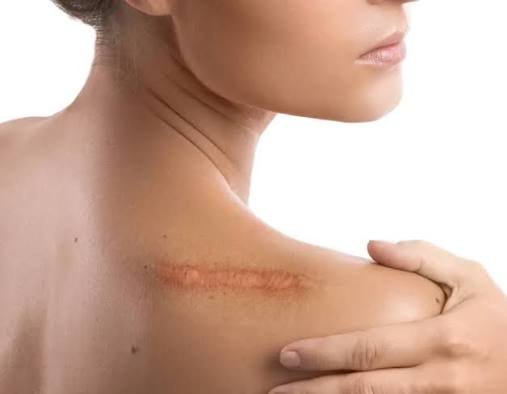
Here are 10 interesting facts about human skin and its functions.
Human Skin at a Glance
| Feature | Main Role |
|---|---|
| Epidermis | Outer protective layer |
| Dermis | Contains blood vessels, nerves and other structures |
| Subcutaneous Tissue | Provides cushioning and insulation |
| Melanin | Contributes to skin colour and UV protection |
| Sweat Glands | Help regulate body temperature |
| Sebaceous Glands | Produce sebum |
| Sensory Receptors | Detect touch, pressure and temperature |
| Skin Barrier | Limits water loss and blocks many external threats |
| Immune Cells | Participate in defence |
| Sunlight Exposure | Helps initiate vitamin D production |
1. Skin Is the Body’s Largest Organ
We usually think of organs as structures located inside the body, such as the heart, liver or kidneys.
But skin is also an organ—and it is generally considered the largest organ of the human body.
It covers almost the entire external surface and consists of several layers and specialised structures.
The skin is broadly organised into:
- Epidermis: the outermost major layer.
- Dermis: the deeper layer containing blood vessels, nerves, hair follicles and glands.
- Subcutaneous tissue: the fatty layer beneath the skin that provides cushioning and insulation.
These layers work together rather than functioning independently.
The result is a flexible protective covering capable of responding continuously to the outside environment.
2. Your Outer Skin Is Constantly Renewing Itself
Skin may look unchanged from one day to the next, but its cells are constantly undergoing renewal.
New cells are produced in deeper portions of the epidermis and gradually move towards the surface. As they mature, they become part of the outer protective layer before eventually being shed.
This renewal process helps maintain the skin barrier.
It also explains why the outer surface is not permanent.
However, the popular claim that everyone’s skin completely replaces itself in an exact fixed number of days is an oversimplification. Renewal rates vary with factors such as:
- Age
- Body location
- Skin condition
- Health
- Injury
Skincare products can support particular skin concerns, but they do not need to “force” normal skin to renew aggressively.
Excessive scrubbing or exfoliation can actually irritate and damage the protective barrier.
3. Skin Is a Barrier, but It Is Not an Impenetrable Wall
One of the skin’s most important functions is separating the body’s internal environment from the outside world.
The outermost epidermal layer helps limit:
- Water loss
- Entry of many microorganisms
- Penetration of irritants
- Exposure to some environmental substances
This barrier is remarkably effective, but it is not completely impermeable.
Certain substances can penetrate the skin, which is why some medicines can be delivered through transdermal patches.
The barrier can also become disrupted by:
- Cuts
- Burns
- Skin diseases
- Excessive washing
- Harsh chemicals
- Repeated irritation
When the barrier is damaged, skin may become dry, sensitive, inflamed or more vulnerable to infection.
4. Your Skin Helps Control Body Temperature
When an Indian summer pushes temperatures above comfortable levels, the skin becomes an important part of the body’s cooling system.
As body temperature rises, sweat glands release sweat onto the skin.
When sweat evaporates, it removes heat from the body.
Blood vessels in the skin can also change their diameter to help regulate heat transfer.
During hot conditions, increased blood flow near the skin can help release heat.
In cold environments, blood flow near the surface can decrease, helping conserve heat.
This is one reason dehydration can become dangerous during extreme heat. Sweating causes fluid loss, and the body needs adequate hydration to maintain normal physiological functions.
5. Sweating Does More Than Make Your Skin Wet
Humans have millions of sweat glands distributed across the body, although their concentration varies by location.
Two commonly discussed types are eccrine and apocrine glands.
Eccrine glands are especially important for temperature regulation and produce the watery sweat associated with heat and exercise.
Interestingly, fresh sweat itself is not always responsible for strong body odour.
Odour can develop when substances in sweat and skin secretions interact with bacteria living on the skin.
This explains why body odour can vary depending on:
- Body location
- Hygiene
- Clothing
- Skin bacteria
- Activity
- Individual biology
Sweating is therefore not simply an inconvenience—it is an essential cooling mechanism.
6. Skin Colour Comes Largely From a Pigment Called Melanin
Human skin exists in an enormous range of natural colours.
One major contributor is melanin, a pigment produced by specialised cells called melanocytes.
Melanin helps absorb and dissipate some ultraviolet radiation, providing a degree of natural protection against UV-related damage.
People with darker skin generally have more melanin activity and pigmentation, but an important misconception needs correcting:
Darker skin is not immune to sun damage.
People of every skin tone can experience:
- Sunburn
- Pigmentation changes
- Premature skin ageing
- UV-related skin damage
Appropriate sun protection can therefore matter across Indian skin tones, particularly during prolonged or intense outdoor exposure.
7. Sunlight on the Skin Helps Begin Vitamin D Production
Vitamin D has a particularly interesting relationship with skin.
When ultraviolet B radiation from sunlight reaches the skin, it can initiate chemical reactions that eventually allow the body to produce vitamin D.
Vitamin D contributes to functions including bone health and calcium metabolism.
However, this does not mean “more sun is always better.”
Vitamin D production and deficiency risk can be influenced by:
- Skin pigmentation
- Time spent outdoors
- Clothing
- Season
- Latitude
- Age
- Diet
- Individual health
Vitamin D deficiency can occur in India despite abundant sunlight.
People concerned about deficiency should seek appropriate medical assessment rather than deliberately exposing themselves to excessive UV radiation.
8. Your Skin Is Packed With Sensory Information
Close your eyes and touch a cold steel glass, a soft cotton towel and a warm cup of tea.
You can distinguish these experiences because the skin contains specialised sensory nerve endings and receptors.
They help detect:
- Touch
- Pressure
- Vibration
- Temperature
- Pain
Sensitivity is not identical across the body.
Areas such as the fingertips contain dense sensory innervation, allowing us to perform tasks requiring fine touch.
Pain sensation is particularly important because it acts as a warning system.
Touching a hot pan produces a rapid protective response that can help limit tissue damage.
Skin is therefore not merely a covering—it is a major sensory interface between your body and the environment.
9. Billions of Microorganisms Can Live on Your Skin
Healthy skin is not sterile.
It supports communities of bacteria, fungi, viruses and other microorganisms collectively known as the skin microbiome.
Different areas of the body create different environments. An oily part of the face is very different from a dry forearm or a moist underarm.
Many microorganisms can coexist with us without causing disease and may interact with the skin’s normal defence systems.
Problems can arise when:
- The skin barrier is damaged.
- Certain microorganisms overgrow.
- Harmful organisms enter deeper tissue.
- Immune responses become abnormal.
This is one reason trying to make the skin “100% germ-free” is neither realistic nor necessary.
Good hygiene aims to reduce harmful contamination without treating every microorganism as an enemy.
10. Your Skin Has Its Own Immune Defences
Skin provides more than a physical wall.
It is an active immune organ containing specialised cells and chemical defence mechanisms capable of detecting and responding to potential threats.
When skin is injured, a coordinated response begins.
For example, after a small cut:
- Blood clotting helps stop bleeding.
- Inflammatory signals are released.
- Immune cells respond.
- Damaged material is cleared.
- New tissue begins forming.
- The wound gradually closes and remodels.
This response protects the injured area while supporting repair.
However, deeper cuts, animal bites, burns or wounds showing increasing redness, swelling, pus or pain may require professional medical attention.
Simple Habits That Support Healthy Skin
Healthy skin does not necessarily require a complicated ten-step skincare routine.
Basic habits can make a significant difference:
- Clean skin gently rather than aggressively scrubbing it.
- Use a moisturiser when dryness is a problem.
- Protect exposed skin from excessive UV radiation.
- Drink adequate fluids, particularly during hot weather.
- Eat a varied, nutritionally balanced diet.
- Avoid smoking and tobacco.
- Avoid repeatedly picking acne or healing wounds.
- Choose skincare products appropriate for your skin type.
- Seek medical advice for persistent rashes, wounds or unusual skin changes.
Be cautious with products promising instant fairness, permanent pore removal, “detoxification” or dramatic overnight transformation.
Healthy skin has natural texture, pores and variation.
FAQs
Q1. Does oily skin still need moisturiser?
It can. Oil production and skin hydration are not exactly the same thing. People with oily or acne-prone skin may prefer lightweight, non-comedogenic moisturisers rather than heavy formulations.
Q2. Do people with dark Indian skin need sunscreen?
Yes. Higher melanin levels provide some natural UV protection but do not eliminate UV-related damage. Appropriate sun-protective clothing, shade and sunscreen can be useful, especially with prolonged outdoor exposure.
Q3. Is sweating a sign that toxins are leaving the body?
Sweating primarily helps regulate body temperature. Although sweat contains water, salts and small amounts of other substances, the body’s main systems for processing and eliminating many waste products involve organs such as the liver and kidneys.
Q4. When should a skin problem be checked by a dermatologist?
Consider medical evaluation for a persistent or worsening rash, severe itching, infected-looking wounds, unexplained skin changes, rapidly changing moles, significant hair or nail changes, or a skin problem that repeatedly returns despite basic care.