 By Kartikey Bhatt
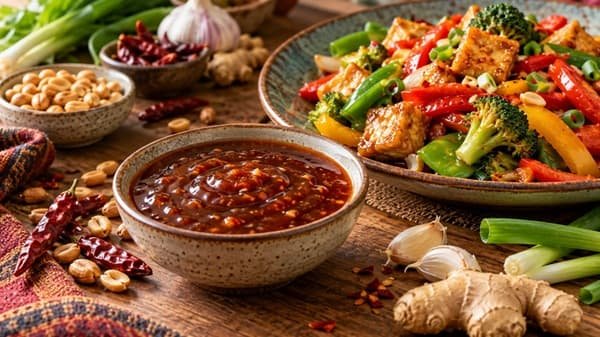
Kung Pao sauce is a Chinese stir-fry sauce made with soy sauce, vinegar, a little sugar, garlic, ginger and dried red chillies. It tastes salty, tangy, slightly sweet and mildly spicy, all at the same time.
It is best known as the sauce behind kung pao chicken. But it works just as well with paneer, vegetables, noodles and rice.
Where Kung Pao Sauce Comes From
The Kung Pao sauce has its roots in Sichuan cooking from southwest China. Its story goes back about 150 years.
The dish is named after Ding Baozhen, an official of the Qing dynasty. He was born in Guizhou and later served as governor of Sichuan. “Gong bao” was his official title, and the dish he loved came to carry that name.
Over time, “gong bao” became “kung pao” in English. The sauce then travelled the world and changed a little in every country it reached, including India.
The Main Ingredients in Kung Pao Sauce
There is no single fixed recipe. Still, most versions are built on the same few parts.
The Liquid Base
- Soy sauce: Adds saltiness and deep colour.
- Vinegar: Traditionally a dark Chinese rice vinegar. It adds a gentle sourness.
- Sugar: Just enough to balance the salt and sour notes.
- Cornflour: Thickens the sauce so it coats the food well.
The Aromatics
- Garlic and ginger: These give the sauce its fresh, sharp smell.
- Spring onion: Often added at the end for a mild onion taste.
The Heat
- Dried red chillies: Fried whole in oil to give a smoky, mild heat.
- Sichuan peppercorns: Used in the traditional version. They create a tingling, slightly numbing feeling on the tongue.
The Crunch
Roasted peanuts are a key part of any kung pao dish. They usually go into the stir-fry rather than the sauce itself.
What Does Kung Pao Sauce Taste Like?
The best way to describe it is as “balanced.” No single taste takes over.
- Tangy: The vinegar keeps it bright and lively.
- Sweet: A light sweetness rounds off the edges.
- Savoury: Soy sauce and garlic give it depth.
- Spicy: The heat is present but gentle, not fiery.
In China, this sweet and sour balance is sometimes called “lychee flavour”. That has nothing to do with lychees. It simply means the sweet and sour sit in equal measure, much like the fruit.
Kung Pao Sauce vs Schezwan Sauce
Many Indians confuse the two, since both come from the same part of China. They taste quite different, though.
- Heat: Schezwan sauce is much hotter. Kung Pao is milder and easier on the palate.
- Taste: Schezwan is mostly spicy and garlicky. Kung Pao leans tangy and slightly sweet.
- Texture: Schezwan is often oily and coarse. Kung Pao is usually smoother and thicker.
If your family finds Schezwan too hot, Kung Pao is a better option.
How Indian Kitchens Have Made It Their Own
Indo-Chinese cooking has given this sauce a local twist. Many Indian versions use tomatoes, Kashmiri chillies and green chillies for colour and a familiar taste.
The follows this path. It is made with tomatoes, garlic, ginger, onion, celery and Kashmiri chillies, with a little brown sugar and vinegar for balance. The result is a smooth, thick sauce that is tangy, sweet and only mildly spicy.
It is vegan and has no artificial preservatives or colours. For those who avoid onion and garlic, the brand also makes a Jain version.
Ways to Use It at Home
This sauce is far more useful than most people think. A single jar can cover many meals.
- Toss it with paneer, tofu, chicken or potatoes in a quick stir-fry.
- Mix it into fried rice or hakka noodles.
- Serve it as a dip with spring rolls, momos or kebabs.
- Spread a thin layer inside sandwiches and wraps.
- Coat roasted vegetables for an effortless side dish.
Tips for Cooking With It
A few small habits will help you use it better.
- Add it near the end: Long cooking can burn the sugar and dull the taste.
- Keep the flame high: Stir-fries should cook fast, so the vegetables stay crunchy.
- Add peanuts last: This keeps them crisp.
- Taste before adding salt: The sauce already has enough for most dishes.
- Store it in the fridge: Once opened, keep the jar chilled and use it within the time on the label.
Conclusion
Kung Pao sauce is a simple mix of tangy, sweet, savoury and mildly spicy flavours. It began in Sichuan, travelled the world and found a warm home in Indian kitchens.
What makes it special is balance. It adds plenty of flavour without too much heat, making it suitable for both children and adults. Use it for stir-fries, rice, noodles or dips. Once you have a jar in your fridge, quick weeknight meals become much easier and far more exciting.