 By Kartikey Bhatt
 Sultanpur Metro Station is a key elevated station on the Yellow Line of the Delhi Metro network. Located in South Delhi, it serves as an important transit point for residents of Sultanpur, Manglapuri, Chhatarpur, and surrounding areas. Opened on June 21, 2010, as part of the Yellow Line’s southern extension, the station has become a reliable mobility option for daily commuters, students, and people traveling between Delhi and Gurugram. Its strategic position along the Mehrauli-Gurgaon Road makes it a preferred stop for those heading to South Delhi’s residential colonies, corporate offices, and commercial hubs.
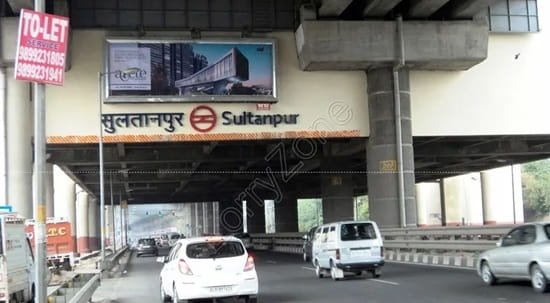
Location
Sultanpur Metro Station is situated in Sultanpur, South West Delhi, with the postal code 110030. It lies along the Mehrauli-Gurgaon Road (MG Road) corridor, near the Sultanpur village and Manglapuri area. The station’s approximate geographic coordinates are 28.492°N, 77.160°E.
The surrounding locality features a mix of urban villages, residential societies, farmhouses, and small commercial establishments. Key nearby landmarks include Sultanpur National Park and Bird Sanctuary (a popular eco-tourism spot), DLF Farmhouses, and roads leading to Chhatarpur and MG Road. The elevated structure of the station provides commuters with views of the green pockets, wide roads, and the rapidly urbanizing landscape of South Delhi. Its location between the more crowded Chhatarpur and the commercial MG Road areas makes it relatively less congested yet highly functional for residents of South Delhi’s peripheral zones.
Connectivity
Sultanpur Metro Station offers solid connectivity through the Yellow Line, linking South Delhi with central Delhi and Gurugram. Commuters can travel north to major hubs like Rajiv Chowk, Chandni Chowk, and New Delhi Railway Station, or south to MG Road, IFFCO Chowk, and HUDA City Centre in Gurugram.
Last-mile connectivity is well-supported with auto-rickshaws, e-rickshaws, taxis (Uber, Ola), and cluster buses available near the exits. The station’s position on Mehrauli-Gurgaon Road ensures quick road access to areas like Chhatarpur, Saket, and Vasant Kunj. For longer journeys, interchanges at stations like Hauz Khas or Rajiv Chowk allow seamless travel to the airport, Noida, and Faridabad. The station is particularly useful for people working in Gurugram’s corporate sectors and those visiting the Sultanpur Bird Sanctuary. It has also improved accessibility for residents of Manglapuri and adjoining villages who previously depended on slower road transport.
Route and Operations
Sultanpur Metro Station operates on the Yellow Line with two side platforms in an elevated configuration:
- Platform 1: Southbound trains towards Millennium City Centre Gurugram (HUDA City Centre). Next station: MG Road.
- Platform 2: Northbound trains towards Samaypur Badli. Next station: Chhatarpur.
The Yellow Line is a major north-south corridor of the Delhi Metro, offering extensive connectivity across Delhi and parts of Haryana. Trains run frequently, with intervals of 2-5 minutes during peak hours and slightly longer during off-peak periods. First trains typically begin around 5:30-6:00 AM, while the last services operate until approximately 11:00 PM to midnight.
A journey from Sultanpur to Rajiv Chowk usually takes 30-40 minutes, while traveling to HUDA City Centre takes about 25-30 minutes. Fares are distance-based and reasonable: short trips within South Delhi cost ₹20-40, while journeys to central Delhi or Gurugram range from ₹40-70. Automated announcements in Hindi and English, digital display boards, and clear signage assist passengers efficiently. The station handles moderate to high footfall, with peaks during morning and evening rush hours.
Gates and Exits
Sultanpur Metro Station has three main operational gates, designed for convenient access to different parts of the area:
- Gate 1: Opens towards Sultanpur village and nearby residential colonies. This gate is commonly used by local residents.
- Gate 2: Leads to Mehrauli-Gurgaon Road and areas towards Manglapuri. It is popular among commuters and those heading to Chhatarpur.
- Gate 3: Connects to the opposite side of the road and routes towards the Sultanpur Bird Sanctuary and farmhouses.
All gates are equipped with stairs, escalators, and elevators for smooth movement between street level, concourse, and platforms. The station is Divyang-friendly, featuring ramps, tactile paving, priority lifts, dedicated seating, and assistance for differently-abled passengers. Clear signage and security personnel guide passengers, especially during morning and evening hours. Drop-off and pick-up zones near the gates help manage traffic on the Mehrauli-Gurgaon Road.
Facilities
Sultanpur Metro Station is equipped with essential modern facilities to support daily commuters:
- Ticketing and Information: Ticket counters, Automated Ticket Vending Machines (ATVMs), smart card recharge kiosks, and customer care desks are available on the concourse level. Real-time train information and route maps support easy journey planning.
- Parking: Paid parking facilities are available for two-wheelers and four-wheelers. This is useful for park-and-ride users and visitors to the nearby bird sanctuary.
- Banking and Retail: ATMs from major banks are installed for convenient cash access. Small kiosks sell snacks, beverages, newspapers, magazines, and essential items. Local markets near the station provide additional food and shopping options.
- Accessibility and Comfort: Escalators, elevators, clean Sulabh toilets, drinking water fountains, and adequate seating enhance passenger comfort. The station features proper lighting, ventilation, and announcements in multiple languages. Mobile charging points are provided for convenience.
- Safety and Security: Round-the-clock CCTV surveillance, fire safety systems, trained security staff, and emergency protocols maintain high safety standards. Lost-and-found counters and first-aid facilities are available.
Additional conveniences include well-maintained surroundings and easy access to the Sultanpur Bird Sanctuary, making the station popular among nature enthusiasts and weekend visitors.
Significance and Future Outlook
Sultanpur Metro Station has brought improved public transport to South Delhi’s outer areas, which were earlier dependent on road transport. It has boosted real estate development in Sultanpur and Manglapuri, supported local tourism at the bird sanctuary, and reduced road congestion on the Mehrauli-Gurgaon corridor. The station serves a diverse mix of daily commuters, students, and visitors, contributing to sustainable urban mobility in the region.
With Delhi Metro’s ongoing expansions and the development of Phase 4 corridors, Sultanpur station’s role is expected to grow further. Future plans may include better last-mile connectivity, enhanced parking, and improved integration with other transport modes. The station is well-positioned to support the continued urban growth of South Delhi.
In conclusion, Sultanpur Metro Station is a well-designed and strategically located elevated hub on the Yellow Line. Its prime position along Mehrauli-Gurgaon Road, reliable connectivity to Delhi and Gurugram, efficient operations, accessible gates, and practical facilities make it an important part of daily life for residents in South Delhi. Whether commuting to work, traveling to Gurugram, or visiting the Sultanpur Bird Sanctuary, the station offers reliability, convenience, and comfort. As the National Capital Region expands, Sultanpur Metro Station will continue to play a valuable role in sustainable and inclusive public transportation.
Hello http://connectmost.com,
I wanted to reach out to see if you’re open to exploring ways to grow your website traffic and boost online performance.
We offer customized SEO services that deliver measurable improvements.
Once you share your target keywords and target market, I’ll send a full proposal.
Best Regards,
Ananya