 By Akash Sharma
 Saket Metro Station is one of the most popular and heavily used elevated stations on the Yellow Line of the Delhi Metro system. Located in the upscale South Delhi neighborhood of Saket, it serves as a major transit hub for residents, shoppers, professionals, students, and tourists. Inaugurated on 3 September 2010, the station has become an integral part of daily life in South Delhi, offering quick and reliable access to one of the area’s most vibrant commercial and residential zones. Its proximity to major malls, educational institutions, hospitals, and residential colonies makes it a bustling station that handles high footfall throughout the day, especially during shopping and office hours.
Location
Saket Metro Station is situated on Mehrauli-Badarpur Road (Press Enclave Marg), Saket, New Delhi, Delhi 110017. The elevated structure stands prominently near the intersection of key roads connecting Saket to Malviya Nagar, Pushp Vihar, and Sangam Vihar. Its approximate coordinates are 28°31′15″N 77°12′30″E.
The station is in the heart of a dynamic mixed-use area known for its modern lifestyle amenities. It lies adjacent to landmark destinations such as Select Citywalk Mall, PVR Cinemas, DLF Place Mall, and the famous Saket District Centre. The surrounding locality includes upscale residential colonies like Saket, Malviya Nagar, Pushp Vihar, and Sheikh Sarai. Educational institutions like Amity International School and prominent hospitals such as Max Super Speciality Hospital are also in close vicinity. The area reflects South Delhi’s blend of affluence, convenience, and urban vibrancy, with tree-lined avenues, shopping complexes, restaurants, and green spaces. Being elevated, the station provides excellent visibility while maintaining smooth traffic flow on the busy Mehrauli-Badarpur Road below.
Connectivity
Saket Metro Station offers excellent multimodal connectivity, making it highly convenient for commuters in South Delhi. It integrates seamlessly with road transport through DTC buses, auto-rickshaws, taxis, and app-based cab services (Ola, Uber, Rapido) available right at the station exits. The station’s location on a major arterial road supports easy access to nearby areas like Malviya Nagar, Hauz Rani, and Khanpur.
While not a formal interchange, Saket station connects efficiently to other lines via nearby stations such as Malviya Nagar (also on Yellow Line) or further interchanges at Central Secretariat and Kashmere Gate. Feeder services and pedestrian pathways enhance last-mile connectivity to residential societies, malls, and offices. Park-and-ride facilities with dedicated parking encourage commuters from outer areas to drive part of the way and switch to metro, reducing overall road congestion.
The station has significantly boosted commercial activity in Saket by making malls and markets easily accessible. Shoppers, movie-goers, office professionals, and students rely on it for fast travel to and from South Delhi’s key destinations. Its operations have helped ease traffic pressure on Mehrauli-Badarpur Road and surrounding stretches, promoting sustainable mobility and contributing to better air quality in the region.
Route and Operations
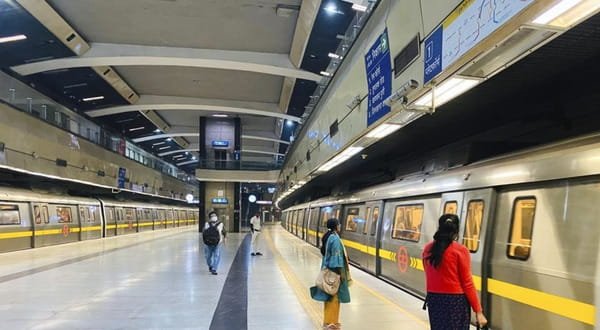
Saket Metro Station operates on the Yellow Line (Line 2) of Delhi Metro, one of the network’s longest and busiest corridors. It is an elevated station with two side platforms. Platform 1 serves northbound trains towards Samaypur Badli, while Platform 2 serves southbound trains towards HUDA City Centre.
Neighboring stations:
- Towards Samaypur Badli (North): Malviya Nagar (previous station)
- Towards HUDA City Centre (South): Qutub Minar (next station)
The Yellow Line runs from Samaypur Badli in the north to HUDA City Centre in Gurugram (south), covering a long stretch that connects Delhi with NCR. It passes through major areas including Chandni Chowk, Kashmere Gate, Rajiv Chowk, Hauz Khas, Saket, and Chhattarpur. The journey from Saket to Rajiv Chowk takes around 25–30 minutes, while a full end-to-end trip can take approximately 70–80 minutes.
The station opened on 3 September 2010 as part of the Yellow Line’s southern extension. Trains generally operate from around 5:30–6:00 AM to 11:00–11:30 PM. Peak-hour frequencies are typically 4–6 minutes, extending to 8–12 minutes during off-peak times. Fares are distance-based, starting from a minimum of ₹10. Short trips to nearby stations cost ₹10–20, while longer journeys to central Delhi or Gurugram range between ₹30–70. Delhi Metro smart cards offer convenience, minor discounts, and easy recharges for regular users. The elevated ride provides scenic views of South Delhi’s urban landscape, green areas, and iconic landmarks like the Qutub Minar.
Gates and Access Points
Saket Metro Station features multiple entry and exit gates designed for efficient passenger dispersal in this high-traffic commercial-residential zone. The station typically has three to four main gates catering to different directions and landmarks.
Key gates include:
- Gate 1: Leads towards Select Citywalk Mall, District Centre, and PVR Cinemas. This is the most popular gate for shoppers and entertainment seekers.
- Gate 2: Connects to residential colonies in Saket, Pushp Vihar, and nearby societies.
- Gate 3 / Additional Gate: Provides access to Press Enclave Marg, Malviya Nagar side, and roads leading towards hospitals and educational institutions.
Escalators, staircases, and dedicated elevators connect street level to the concourse (mezzanine with ticketing and services) and then to the platforms. The station is fully Divyang-friendly with ramps, wide automatic gates, tactile flooring, braille signage, and priority services. Wheelchairs are available on request. Clear signage and well-maintained pedestrian pathways help manage heavy footfall, especially during evening shopping hours and weekends. The gate arrangement effectively prevents overcrowding and provides direct access to malls, auto stands, bus stops, and parking facilities.
Facilities
Saket Metro Station is equipped with modern, passenger-centric amenities suited to its high daily usage. As an elevated station, it follows a standard three-level design: street level (entrances/exits), concourse level (ticketing and services), and platform level.
Key facilities include:
- Parking: Paid parking is available with substantial capacity for cars and two-wheelers. This supports shoppers carrying bags and park-and-ride commuters.
- Accessibility: Excellent support for differently-abled passengers with elevators, ramps, wide gates, tactile paths, and reserved spaces. Staff assistance is readily available.
- Ticketing and Services: Token Vending Machines (TVMs), ticket counters, smart card recharge kiosks, and Automatic Fare Collection gates. Digital information boards display real-time train schedules and route guidance.
- Convenience Amenities: Clean Sulabh toilets, drinking water facilities, seating areas, first-aid support, and small retail kiosks. Multiple ATMs are located within the station complex. The proximity to Select Citywalk Mall offers additional dining and shopping options.
- Safety and Support: 24/7 CCTV surveillance, fire safety systems, public announcement systems, security personnel, and regular housekeeping. The station maintains high standards of cleanliness despite heavy usage.
- Other Features: Air-conditioned concourse areas, good lighting, and clear wayfinding. The layout ensures smooth passenger flow, minimizing congestion during peak shopping and office hours.
These facilities make the station particularly convenient for families, shoppers, and daily commuters who frequent the area.
Significance and Impact
Since its opening in 2010, Saket Metro Station has transformed mobility and commerce in South Delhi. By providing fast, reliable connectivity, it has boosted footfall in Select Citywalk and surrounding malls, enhanced property values in nearby colonies, and improved access to hospitals and educational institutions. The station has reduced road congestion on Mehrauli-Badarpur Road and encouraged a shift from private vehicles to public transport.
For residents of Saket and Malviya Nagar, it serves as a daily lifeline for commuting to central Delhi, Gurugram, or local destinations. Tourists and visitors appreciate easy access to Qutub Minar and other heritage sites. As Delhi Metro expands with Phase 4 projects, Saket station’s importance as a key commercial and residential node will continue to grow.
In conclusion, Saket Metro Station exemplifies effective urban transit planning with its prime location in a vibrant South Delhi hub, excellent multimodal connectivity, efficient Yellow Line operations, accessible gates, and comprehensive modern facilities. It not only facilitates smoother daily travel but also enhances the lifestyle and economic vibrancy of the area. Whether you are shopping at Select Citywalk, heading to office, visiting a hospital, or exploring South Delhi, Saket Metro Station offers reliability, comfort, and convenience at the heart of one of Delhi’s most dynamic neighborhoods.