 By Akash Sharma
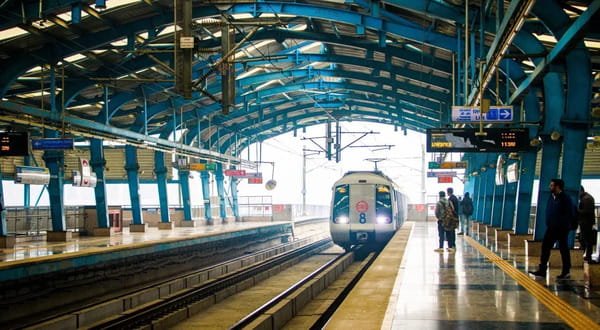
 Karol Bagh Metro Station is a bustling and strategically important station on the Delhi Metro’s Blue Line. Situated in one of Delhi’s most vibrant and densely populated commercial-residential areas, it serves as a lifeline for thousands of daily commuters, shoppers, office-goers, and visitors. Opened to the public on December 31, 2005, as part of the Blue Line expansion, the station has since become an integral part of the city’s public transport network. Its elevated structure and multiple access points make it highly functional in the heart of Central Delhi, where narrow streets and heavy traffic often challenge mobility.
Location
Karol Bagh Metro Station is located in the Karol Bagh area of Central Delhi, specifically near Block 1, WEA, Karol Bagh, with the postal code 110060. It lies along the busy Pusa Road and DB Gupta Road corridor, surrounded by a mix of bustling markets, residential colonies, hospitals, and commercial establishments. The station’s coordinates are approximately 28.6443°N, 77.1885°E.
This historic neighborhood is renowned for its wholesale and retail markets, particularly for electronics, garments, hardware, and household items. Major landmarks nearby include Ajmal Khan Road, Ghaffar Market, Sir Ganga Ram Hospital, and various banks and hotels. The area’s central position places it conveniently between West Delhi and areas like Connaught Place, making it a preferred transit point for people traveling across the National Capital Region (NCR). The elevated tracks offer views of the dense urban fabric, with shops, eateries, and residential buildings extending in all directions. Its proximity to major roads like Pusa Road and Tank Road further enhances its accessibility for both locals and outsiders.
Connectivity
Karol Bagh Metro Station provides excellent multi-modal connectivity, blending seamlessly with road transport options. As a station on the Blue Line, it links passengers to key parts of Delhi and neighboring areas in Uttar Pradesh. Commuters can reach major destinations such as Rajiv Chowk (Connaught Place), New Delhi Railway Station, and further extensions toward Noida, Vaishali, Dwarka, and beyond.
The station supports robust last-mile connectivity through auto-rickshaws, e-rickshaws, taxis (including app-based services like Uber and Ola), and DTC buses. Feeder bus services operated by Delhi Metro Rail Corporation (DMRC) help passengers reach nearby residential pockets and commercial hubs efficiently. The surrounding road network, including connections to Ring Road and major arterial routes, allows quick access to other parts of the city by private vehicles or inter-state buses.
For longer journeys, the station acts as a convenient node for those traveling to Delhi’s railway terminals or Indira Gandhi International Airport via interchanges. Interchange opportunities at stations like Rajiv Chowk (for Yellow Line) or Kirti Nagar (for Green Line) expand the reach significantly. This extensive connectivity has contributed to the economic vibrancy of Karol Bagh by attracting shoppers and traders from across the region.
Route and Operations
Karol Bagh Metro Station operates on the Blue Line (Line 3/4) of the Delhi Metro network. It features two side platforms in an elevated configuration:
- Platform 1: Eastbound trains towards Noida Electronic City / Vaishali (Next station: Jhandewalan)
- Platform 2: Westbound trains towards Dwarka Sector 21 (Next station: Rajendra Place)
Trains run frequently during peak hours, typically every 2-5 minutes, with slightly longer intervals during off-peak times. The first trains usually begin operations around 5:30-6:00 AM, while the last services conclude around 11:00 PM to midnight, subject to occasional variations. The full Blue Line stretch offers extensive coverage across Delhi NCR, making end-to-end journeys possible in about 60-90 minutes depending on the destination.
The station handles significant daily footfall due to its central location amid markets and hospitals. Automated announcements, digital displays, and clear signage assist passengers in navigating routes efficiently. Token and smart card systems (Delhi Metro cards) are available for contactless travel, with fare calculators helping users estimate costs. A journey from Karol Bagh to Rajiv Chowk typically costs around ₹20-30, while longer trips to Noida or Dwarka may range between ₹40-70.
The route passes through prominent areas like Jhandewalan, Patel Nagar, and extends to commercial and residential zones on both ends, serving a diverse mix of passengers including students, professionals, and market traders.
Gates and Exits
One of the station’s standout features is its eight gates, designed to disperse crowds effectively across the bustling neighborhood. Each gate opens towards specific landmarks, reducing walking distance for commuters:
- Gate 1: Leads directly to Karol Bagh Market – ideal for shoppers heading to Ajmal Khan Road and surrounding wholesale markets.
- Gate 2 & 3: Open towards Pusa Road, serving schools, residential areas, and general traffic on this busy corridor.
- Gate 4: Connects to Fashion Big Bazaar and Tank Road, popular among garment and fashion buyers.
- Gate 5: Provides access to City Hospital and nearby medical facilities.
- Gate 6: Leads to Apsara Arcade, a commercial complex with shops and entertainment options.
- Gate 7: Directs passengers to Sir Ganga Ram Hospital, one of Delhi’s prominent medical institutions.
- Gate 8: Serves Jeevan Nursing Home and adjacent residential pockets.
These multiple exits, combined with stairs, escalators, and elevators, ensure smooth movement. The station is Divyang-friendly with ramps, tactile flooring, and priority assistance for differently-abled passengers. Clear signage and security personnel help manage flow, especially during peak shopping hours or hospital visiting times. Street-level entrances and exits further enhance accessibility in this high-density area.
Facilities
Karol Bagh Metro Station is equipped with a range of modern amenities to support daily commuters and visitors:
Ticketing and Information: Ticket counters, automated ticket vending machines (ATVMs), and smart card recharge facilities are available on the concourse level. Customer care desks and information boards provide route guidance and real-time updates.
Banking and Retail: ATMs from HDFC Bank and Canara Bank offer convenient cash withdrawal services. Small retail kiosks sell snacks, beverages, newspapers, magazines, and essential items. The vibrant market surroundings supplement these with numerous eateries and shopping options just outside the gates.
Parking and Transport: The station offers parking facilities, including provisions for two-wheelers and four-wheelers. Feeder bus services operate from designated points near the exits. Drop-off and pick-up zones are well-organized to minimize congestion.
Accessibility and Comfort: Escalators, elevators, and ramps ensure easy movement between street level, concourse, and platforms. Clean Sulabh toilets are available, along with drinking water facilities. The station features air-conditioned waiting areas, seating, and adequate lighting. Wi-Fi services (where provided by DMRC) and mobile charging points add convenience.
Safety and Support: Round-the-clock CCTV surveillance, fire safety systems, and trained security staff maintain high safety standards. Lost and found counters, first-aid facilities, and announcements in multiple languages support all passengers. The station is designed with natural ventilation and lighting where possible, contributing to a pleasant commuting experience.
Additional conveniences include book stalls, mobile recharge points, and nearby hotels and restaurants that cater to travelers needing short breaks.
Significance and Daily Life
Karol Bagh Metro Station transcends its role as a mere transit point. It is deeply embedded in the socio-economic fabric of one of Delhi’s oldest and most dynamic neighborhoods. The station supports the area’s thriving markets by bringing in shoppers from across the city while providing reliable transport for residents and hospital visitors. Its presence has boosted commercial activity and real estate values in surrounding areas.
During festive seasons or sales periods, the station witnesses exceptionally high footfall, with efficient crowd management systems helping maintain order. For tourists, it serves as an excellent base to explore Central Delhi’s attractions, markets, and heritage sites.
Challenges such as peak-hour congestion are addressed through regular infrastructure reviews and passenger awareness campaigns. Future plans may include further integration with other transit modes and potential upgrades to handle growing urban demands.
In conclusion, Karol Bagh Metro Station exemplifies efficient urban mobility in a densely populated commercial hub. Its prime location, strong connectivity, well-planned routes, multiple gates, and comprehensive facilities make it an indispensable part of daily life for lakhs of Delhiites. Whether you are shopping for bargains in the famous markets, visiting hospitals, or commuting to work, the station offers reliability, convenience, and accessibility that define modern Delhi’s public transport system. As the city continues to grow, stations like Karol Bagh will remain central to sustainable and inclusive urban development.