 By Akash Sharma
 Kalkaji Mandir Metro Station is a major interchange station in South Delhi on the Delhi Metro network. It serves as a critical junction connecting the Violet Line and the Magenta Line, making it one of the busiest stations in the southern part of the city. The station is located near the revered Kalkaji Mandir temple, Nehru Place business centre, and Okhla industrial areas. Since the Magenta Line interchange became operational, it has emerged as a preferred transit point for daily commuters, devotees visiting the temple, shoppers, and professionals working in South Delhi’s commercial hubs.
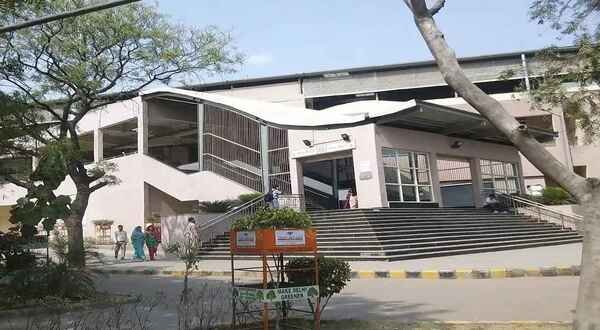
Location
Kalkaji Mandir Metro Station is situated on Bahadur Shah Zafar Marg, near the famous Kalkaji Mandir temple in New Delhi, Delhi 110019. The station’s approximate coordinates are 28°32′45″N 77°15′35″E. It lies in a vibrant and densely populated area that blends religious, commercial, and residential zones.
The locality around the station is well-known for the ancient Kalkaji Mandir, a highly revered Hindu temple dedicated to Goddess Kali. It is surrounded by Nehru Place (one of Asia’s largest IT hardware markets), Okhla Phase I & II industrial areas, and residential colonies such as Kalkaji, Govindpuri, and Okhla. The area sees heavy footfall throughout the year, especially during festivals and weekends when devotees visit the temple. The station’s strategic position makes it easily accessible from Mathura Road, Ring Road, and major arterial routes in South Delhi. Its elevated (Violet Line) and underground (Magenta Line) structure helps manage high passenger volumes while preserving surface space in this busy commercial-religious zone.
Connectivity
Kalkaji Mandir Metro Station excels in multimodal and interline connectivity. It functions as a major interchange between the Violet Line and the Magenta Line, allowing seamless transfers without exiting the paid area. This facility has greatly reduced travel time for passengers moving between north-south and east-west corridors of Delhi.
The station integrates well with road transport. DTC buses, auto-rickshaws, taxis, and app-based cab services (Ola, Uber) are readily available at the exits. Several bus stops near the station provide connectivity to areas like Sarita Vihar, Badarpur, Lajpat Nagar, and Greater Kailash. Pedestrian pathways and foot overbridges connect the station directly to the Kalkaji Mandir temple and Nehru Place market.
As an interchange station, it supports last-mile connectivity to nearby residential societies, corporate offices, and industrial units. Park-and-ride options are available for commuters who drive from outer areas. The station plays a vital role in decongesting roads around Nehru Place and the temple area by encouraging the use of public transport. Its connectivity benefits temple visitors, IT hardware traders, students, and office-goers alike.
Route and Operations
Kalkaji Mandir Metro Station operates on two important lines of Delhi Metro:
- Violet Line (Line 6): Runs from Kashmere Gate to Raja Nahar Singh (Ballabhgarh).
- Magenta Line (Line 8): Runs from Janakpuri West to Okhla Bird Sanctuary / Botanical Garden.
On the Violet Line, the station is elevated with side platforms. On the Magenta Line, it is underground with island platforms. This dual setup supports efficient interchange movements.
Neighboring stations (Violet Line):
- Towards Kashmere Gate: Nehru Place
- Towards Ballabhgarh: Okhla NSIC
Neighboring stations (Magenta Line):
- One direction: Okhla Phase I / Sukhdev Vihar
- Other direction: Nehru Enclave / Govindpuri
The Violet Line section opened in 2010, while full Magenta Line interchange services started later. Trains operate from around 5:30–6:00 AM to 11:00–11:30 PM on both lines. Peak-hour frequencies are typically 4–8 minutes. Fares are distance-based, starting from ₹10. Short inter-station trips cost ₹10–20, while longer journeys across lines range between ₹30–70. Delhi Metro smart cards provide convenience and small discounts for regular users.
Gates and Access Points
Kalkaji Mandir Metro Station has multiple entry and exit gates (around 6–8) to handle heavy passenger traffic and provide access to different landmarks.
Key gates include:
- Gates leading directly towards Kalkaji Mandir temple — heavily used by devotees.
- Gates connecting to Nehru Place market and corporate towers.
- Gates serving Okhla industrial areas and residential colonies.
- Dedicated interchange gates between Violet and Magenta Lines.
Escalators, staircases, and elevators connect street level to the concourse and platforms. The station is fully Divyang-friendly with ramps, wide automatic gates, tactile flooring, braille signage, and priority services. Wheelchairs are available on request. Clear signage and announcements help passengers navigate the interchange smoothly. Multiple gates effectively manage crowds, especially during temple festivals and peak office hours.
Facilities
Kalkaji Mandir Metro Station offers modern, passenger-friendly facilities across its elevated and underground sections. The design focuses on comfort, safety, and efficient movement in a high-footfall area.
Key facilities include:
- Parking: Paid parking is available for cars and two-wheelers, supporting park-and-ride users and temple visitors.
- Accessibility: Excellent support for differently-abled passengers with multiple elevators, ramps, wide gates, and reserved spaces. The station ensures inclusive mobility for senior citizens and passengers with special needs.
- Ticketing and Services: Token Vending Machines (TVMs), ticket counters, smart card recharge kiosks, and Automatic Fare Collection gates. Information desks and digital displays provide real-time train and interchange information.
- Convenience Amenities: Clean Sulabh toilets, drinking water facilities, seating areas, first-aid rooms, and small retail kiosks. ATMs from major banks are located inside the station. Nearby Nehru Place offers additional food and shopping options.
- Safety and Support: 24/7 CCTV surveillance, fire safety systems, public announcement systems, security personnel, and regular housekeeping. The station maintains high standards of cleanliness.
- Other Features: Air-conditioned concourses (especially underground sections), good lighting, charging points, and clear wayfinding for seamless interchange between lines.
These facilities make the station comfortable for daily commuters, temple visitors, and shoppers carrying goods from Nehru Place.
Significance and Impact
Kalkaji Mandir Metro Station has become a landmark in South Delhi’s transport infrastructure. As a major interchange, it has reduced travel time between different parts of the city and eased road congestion around the temple and Nehru Place. The station supports religious tourism by providing easy access to the Kalkaji Mandir, boosts commercial activity in Nehru Place, and improves daily commuting for residents and professionals in South Delhi.
Its development has enhanced property values in surrounding colonies and encouraged greater use of public transport. As Delhi Metro expands further, Kalkaji Mandir will continue to serve as an important node connecting residential, commercial, religious, and industrial zones in South Delhi.
In conclusion, Kalkaji Mandir Metro Station stands out for its prime location near a major temple and commercial hub, excellent interchange connectivity between Violet and Magenta Lines, efficient route operations, multiple accessible gates, and comprehensive modern facilities. It remains an indispensable part of daily life in South Delhi, offering reliability, comfort, and convenience to lakhs of passengers every month. Whether you are visiting the temple, shopping at Nehru Place, or commuting to work, this station delivers a smooth and efficient travel experience in the heart of South Delhi.