 By Kartikey Bhatt
Walk into two homes with the same floor area, and they can feel completely different. One may have neutral walls, concealed storage and only a few carefully selected objects. Another may be filled with colourful cushions, family photographs, indoor plants, traditional artwork and souvenirs collected during travels. Neither approach is automatically better—the difference often comes from the lifestyles of the people living there.
Home décor is much more than selecting attractive furniture or following the latest interior trend. The way people organise their living room, choose lighting, display personal objects or create storage can reveal how they actually use their homes. Someone who regularly hosts friends may prioritise flexible seating, while a remote worker may value a dedicated workspace more than an elaborate entertainment unit.
For Indian households, décor is particularly interesting because homes frequently combine modern requirements with family traditions, regional influences and limited urban space. The most successful interiors are therefore not necessarily those that look perfect in photographs. They are the ones that support the lifestyle happening inside them.
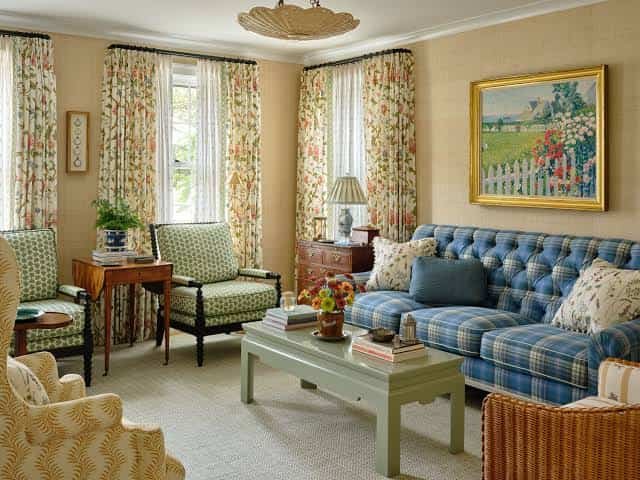
Home Décor and Lifestyle Preferences at a Glance
| Décor Choice | Lifestyle Preference It May Reflect |
|---|---|
| Minimal Furniture | Simplicity and easy maintenance |
| Large Dining Area | Family meals and social gatherings |
| Home Office | Remote or hybrid working |
| Indoor Plants | Interest in greenery and nature |
| Traditional Artwork | Cultural or regional connection |
| Open Shelving | Easy access and visual display |
| Concealed Storage | Preference for organised spaces |
| Flexible Furniture | Adaptable or compact living |
| Warm Lighting | Relaxed and comfortable atmosphere |
| Smart Devices | Technology-oriented lifestyle |
| Travel Souvenirs | Interest in experiences and travel |
| Durable Materials | Practical, long-term thinking |
Minimalist Décor Often Reflects a Preference for Simplicity
Minimalist homes usually contain fewer decorative objects, simpler furniture and relatively uncluttered surfaces.
For some people, this is purely an aesthetic preference. For others, it reflects how they want daily life to function.
Fewer objects can mean:
- Less dusting
- Easier cleaning
- Fewer purchasing decisions
- More open visual space
- Easier organisation
This can appeal to busy professionals or people living in compact urban apartments.
However, minimalism does not require an empty white home.
An Indian minimalist interior might still include wooden furniture, handloom fabrics, family photographs or traditional artwork. The idea is usually intentional selection rather than complete removal of personality.
Colour Choices Can Express Personality
Colour strongly influences how a room feels.
Some homeowners prefer beige, cream, grey and earthy shades because they create a calm and visually consistent environment.
Others feel more comfortable around strong colours.
Indian interiors offer plenty of opportunities to introduce colour through:
- Cushions
- Rugs
- Curtains
- Artwork
- Bedding
- Tiles
- Furniture
- Decorative objects
Someone who enjoys experimentation may frequently change smaller accessories rather than repainting entire rooms.
People who prefer stability may choose timeless colours that can remain for years.
Colour choices are personal. A trendy shade is not automatically suitable simply because it appears frequently on social media.
Furniture Placement Reveals How a Room Is Actually Used
The arrangement of furniture often says more about lifestyle than the furniture itself.
Consider a living room.
If every chair faces the television, entertainment may be a major function of the room.
If sofas and chairs face one another, the space may be designed more around conversation.
A household that regularly hosts extended family might need:
- Additional seating
- Movable chairs
- Nesting tables
- Easy circulation
- Flexible floor space
A couple living alone may prefer fewer but larger pieces.
Good décor therefore starts by asking what activities happen in the room rather than copying a furniture layout from a photograph.
A Dining Area Can Reflect Family Habits
Dining spaces are particularly revealing in Indian homes.
Some families regularly eat together and need a dedicated dining table.
Others follow different schedules and use the dining area less frequently.
Families that entertain guests may prefer extendable tables or additional chairs.
The dining space may also become a multipurpose area used for:
- Children’s homework
- Laptop work
- Festival preparation
- Board games
- Family discussions
Understanding these everyday activities helps homeowners choose furniture based on reality rather than appearance alone.
Work-From-Home Culture Has Changed Décor Priorities
Remote and hybrid working have made workspaces a significant part of residential design.
Previously, a spare corner might have been purely decorative. Today, it may need to accommodate a desk, monitor and office chair.
People working regularly from home often prioritise:
- Comfortable seating
- Appropriate desk height
- Accessible power outlets
- Storage
- Suitable lighting
- Video-call backgrounds
- Reduced distractions
In smaller Indian apartments, a separate office room may not be practical.
A bedroom corner, wall-mounted desk or compact workstation can still create a visual boundary between professional and personal activities.
Décor has therefore adapted to the changing relationship between home and work.
Traditional Décor Can Express Cultural Connection
Indian homes often combine contemporary furniture with regional or family influences.
A modern apartment might include:
- Handloom textiles
- Brass décor
- Wooden crafts
- Madhubani paintings
- Warli art
- Block-printed fabrics
- Traditional pottery
- Family heirlooms
These objects may carry cultural or emotional value beyond their decorative appearance.
Festival traditions also influence temporary décor through diyas, flowers, rangoli, lights and other regional practices.
For many households, interior design is therefore not about choosing between “modern” and “traditional.”
The two can comfortably coexist.
Travel Lovers Often Turn Their Homes Into Memory Spaces
People who value travel frequently bring parts of their experiences home.
Instead of generic decorative objects, they may display:
- Photographs
- Local artwork
- Maps
- Handicrafts
- Ceramics
- Books
- Souvenirs
These objects can turn a home into a collection of personal stories.
The important point is thoughtful selection.
Buying large quantities of souvenirs can create clutter, while a few meaningful pieces can remind someone of important experiences without overwhelming the room.
Storage Choices Reflect Organisation Habits
Storage is one of the strongest connections between décor and everyday lifestyle.
Some people enjoy displaying books, crockery and decorative objects on open shelves.
Others prefer almost everything hidden behind cabinets.
Neither approach is universally better.
Open storage provides quick access but generally requires more regular organisation and cleaning.
Closed storage creates visual simplicity but can easily become overcrowded internally.
Indian households often need substantial storage for:
- Seasonal clothing
- Bedding
- Kitchen utensils
- Festival items
- Documents
- Luggage
Planning storage around actual belongings can make a home significantly easier to maintain.
Pet Ownership Influences Interior Decisions
Pets can change what makes a practical interior.
A household with a dog or cat may prioritise:
- Easy-to-clean flooring
- Washable fabrics
- Secure balconies
- Durable upholstery
- Safe indoor plants
- Accessible pet beds
- Organised food storage
A delicate white sofa may look beautiful but may not suit every pet-friendly household.
Lifestyle-oriented décor accepts these practical realities instead of designing a home that constantly needs protection from the people and animals living in it.
Families With Children Need Adaptable Spaces
Homes naturally change as children grow.
A toddler may need open floor space for play, while a school-age child needs a study area. Teenagers may require more privacy and storage.
Family-friendly décor may include:
- Rounded furniture edges where appropriate
- Washable surfaces
- Accessible toy storage
- Flexible furniture
- Study areas
- Durable materials
The goal is not to make the home look permanently child-focused.
Instead, spaces should adapt as family requirements change.
Sustainable Décor Reflects Conscious Consumption
Some homeowners increasingly think about durability and waste when decorating.
Instead of replacing furniture whenever trends change, they may:
- Repair older pieces.
- Refinish wooden furniture.
- Reupholster chairs and sofas.
- Buy durable materials.
- Reuse family furniture.
- Choose locally made products.
- Purchase second-hand pieces where suitable.
India has a strong ecosystem of carpenters, upholsterers, repair workers and craftspeople who can often extend the life of household furniture.
Sustainable décor is therefore not necessarily about purchasing products marketed as “eco-friendly.” Sometimes the lower-waste choice is simply continuing to use something that already works.
Smart Homes Reflect Technology-Oriented Lifestyles
Technology is also influencing home décor.
Smart lights, automated curtains, connected security systems and voice-controlled devices are becoming part of some modern homes.
For technology-focused households, convenience may be a priority.
However, smart technology should solve a genuine problem.
Buying connected devices simply because they are fashionable can add unnecessary complexity.
Consider:
- Ease of use
- Compatibility
- Privacy
- Maintenance
- Long-term support
- Actual usefulness
The best technology often becomes almost invisible because it quietly makes daily activities easier.
Good Home Décor Should Support Real Life
A beautiful home that is uncomfortable to live in is not particularly successful.
A glass table may look impressive but become frustrating if it constantly requires cleaning. Open shelves may photograph beautifully but create maintenance problems in a dusty environment. A large sofa may feel luxurious in a showroom but overwhelm a compact living room.
Before making a décor decision, ask:
- How will we use this?
- Is it comfortable?
- Is it easy to maintain?
- Does it fit the available space?
- Will we still like it after the trend changes?
- Does it support our daily routine?
Home décor becomes genuinely personal when these practical answers influence design.
Ultimately, the most meaningful interiors do not simply show what someone likes visually. They reveal how that person works, rests, entertains, travels, celebrates, organises belongings and spends time with family.
FAQs
Q1. How can I make my home reflect my personality without spending too much?
A. Start with items you already own, such as photographs, books, artwork, textiles, and travel memories. Simple changes to cushions, curtains, lighting, wall displays, or furniture arrangement can personalise a room without requiring an expensive renovation.
Q2. Should every room in a home follow the same décor style?
A. Not necessarily. Using a consistent colour palette or a few repeated materials can create visual continuity throughout the home, while individual rooms can still have different styles based on their purpose and your preferences.
Q3. How can I decorate a small Indian apartment without making it look crowded?
A. Choose appropriately sized furniture, practical storage, and an open layout that allows easy movement. Multifunctional furniture and a limited number of meaningful decorative pieces can add personality without making every surface feel crowded.
Q4. Is it worth following current home décor trends?
A. Trends can be useful for inspiration, but major purchases should ideally suit your long-term needs and personal taste. Experiment with trends through smaller items that are easy to replace, while choosing durable and functional designs for expensive furniture and permanent finishes.