 By Akash Sharma
 Ghitorni Metro Station is an elevated station on the Yellow Line of the Delhi Metro network. Located in South Delhi, it serves as a convenient transit point for residents of Ghitorni, Arjan Garh, Sultanpur, and nearby areas. Opened on June 21, 2010, as part of the Yellow Line’s southern extension, the station has grown into an important hub for daily commuters traveling between Delhi and Gurugram. Its relatively quieter surroundings compared to busier stations like Chhatarpur or MG Road make it a preferred choice for those seeking a less crowded boarding point while maintaining excellent connectivity.
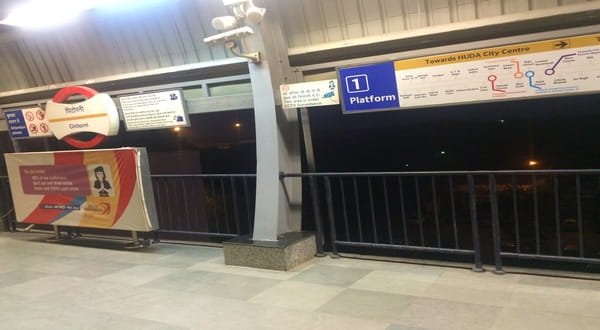
Location
Ghitorni Metro Station is situated in Ghitorni village, South West Delhi, with the postal code 110047. It lies along the Mehrauli-Gurgaon Road (MG Road) corridor, between Sultanpur and Arjan Garh stations. The station’s approximate geographic coordinates are 28.494°N, 77.148°E.
The area around the station features a blend of urban villages, residential societies, farmhouses, and small commercial pockets. Key nearby landmarks include Ghitorni Village, DLF properties, Arjan Garh, and the Mehrauli-Gurgaon Road stretch leading towards Chhatarpur and MG Road. The elevated structure offers commuters scenic views of South Delhi’s green pockets, wide roads, and the mix of traditional village settings with modern urban development. Its location in a transitional zone between densely populated areas and Gurugram’s periphery makes it ideal for residents seeking affordable housing while working in either Delhi or Gurugram.
Connectivity
Ghitorni Metro Station provides reliable connectivity via the Yellow Line, linking South Delhi with central Delhi and Gurugram. Commuters can travel north to Rajiv Chowk, Chandni Chowk, and New Delhi Railway Station, or south to MG Road, IFFCO Chowk, and HUDA City Centre.
Last-mile connectivity is supported by auto-rickshaws, e-rickshaws, taxis (Uber, Ola), and cluster buses available near the station exits. The station’s position on the Mehrauli-Gurgaon Road ensures quick road access to Vasant Kunj, Saket, Chhatarpur, and major corporate hubs in Gurugram. For airport travelers, interchanges at Hauz Khas or New Delhi Railway Station offer convenient routes to the Airport Express Line. The station serves a diverse mix of professionals working in Gurugram, students, and local residents, significantly reducing travel time and road dependency on the busy MG Road corridor.
Route and Operations
Ghitorni Metro Station operates on the Yellow Line with two side platforms in an elevated configuration:
- Platform 1: Southbound trains towards Millennium City Centre Gurugram (HUDA City Centre). Next station: Arjan Garh.
- Platform 2: Northbound trains towards Samaypur Badli. Next station: Sultanpur.
The Yellow Line is a major north-south corridor spanning Delhi and parts of Haryana. Trains run frequently, with intervals of 2-5 minutes during peak hours and slightly longer during off-peak periods. First trains typically begin around 5:30-6:00 AM, while the last services operate until approximately 11:00 PM to midnight.
A journey from Ghitorni to Rajiv Chowk usually takes 35-45 minutes, while traveling to HUDA City Centre takes about 20-25 minutes. Fares are distance-based and affordable: short trips within South Delhi cost ₹20-40, while journeys to central Delhi or Gurugram range from ₹40-70. Automated announcements in Hindi and English, digital display boards, and clear signage assist passengers efficiently. The station maintains moderate footfall, offering a relatively less crowded experience compared to nearby stations.
Gates and Exits
Ghitorni Metro Station has three primary operational gates, designed for smooth passenger dispersal:
- Gate 1: Opens towards Ghitorni Village and nearby residential societies. This gate is commonly used by local villagers and residents.
- Gate 2: Leads to Mehrauli-Gurgaon Road and areas towards Arjan Garh. It serves commuters heading south and those accessing roadside establishments.
- Gate 3: Connects to the opposite side of the road and routes towards Sultanpur and additional residential pockets.
All gates are equipped with stairs, escalators, and elevators for easy movement between street level, concourse, and platforms. The station is fully Divyang-friendly, featuring ramps, tactile paving, priority lifts, dedicated seating, and assistance for differently-abled passengers. Clear multilingual signage and security personnel guide passengers. Drop-off and pick-up zones near the gates are well-managed to handle traffic on the MG Road corridor.
Facilities
Ghitorni Metro Station offers essential modern facilities for daily commuters:
Ticketing and Information: Ticket counters, Automated Ticket Vending Machines (ATVMs), smart card recharge kiosks, and customer care desks are available on the concourse level. Real-time train information and route maps support efficient journey planning.
Parking: Paid parking facilities are available for two-wheelers and four-wheelers. This is convenient for park-and-ride users and visitors to nearby areas.
Banking and Retail: ATMs from major banks are installed for cash access. Small kiosks sell snacks, beverages, newspapers, magazines, and essential items. Local markets and eateries near the station provide additional options.
Accessibility and Comfort: Escalators, elevators, clean Sulabh toilets, drinking water fountains, and adequate seating enhance passenger comfort. The station features proper lighting, ventilation, and announcements in multiple languages. Mobile charging points are provided for convenience.
Safety and Security: Round-the-clock CCTV surveillance, fire safety systems, trained security staff, and emergency protocols maintain high safety standards. Lost-and-found counters and first-aid facilities are available.
Additional conveniences include well-maintained surroundings and easy access to the Sultanpur Bird Sanctuary and other green spaces nearby, making it attractive for weekend travelers.
Significance and Future Outlook
Ghitorni Metro Station has improved public transport access in South Delhi’s peripheral areas, which were earlier dependent on road transport. It has boosted real estate development in Ghitorni and nearby villages, supported daily commuting to Gurugram’s corporate hubs, and promoted eco-tourism at nearby sanctuaries. The station serves a growing population seeking affordable housing with good metro connectivity.
With Delhi Metro’s ongoing expansions and Phase 4 developments, Ghitorni station’s role is expected to strengthen further. Future upgrades may include enhanced parking, better last-mile connectivity, and improved passenger amenities to accommodate rising ridership as the area urbanizes rapidly.
In conclusion, Ghitorni Metro Station is a well-positioned elevated hub on the Yellow Line that balances convenience with a relatively peaceful boarding experience. Its strategic location along Mehrauli-Gurgaon Road, reliable connectivity to Delhi and Gurugram, efficient operations, accessible gates, and practical facilities make it a valuable asset for residents and commuters in South Delhi. Whether traveling daily to work, heading to Gurugram, or visiting nearby green spaces, the station offers reliability, convenience, and comfort. As the National Capital Region continues to expand, Ghitorni Metro Station will remain an important link in the region’s sustainable public transportation network.