 By Akash Sharma
 Chhatarpur Metro Station (also spelled Chattarpur or Chhattarpur) is a key elevated station on the Yellow Line of the Delhi Metro. It serves the southern part of Delhi, acting as a convenient gateway for residents, devotees visiting the famous Chhatarpur Temple, shoppers heading to malls in Vasant Kunj, and professionals working in nearby areas. Opened on June 21, 2010, as part of the Yellow Line extension, the station has become an essential transit point in South West Delhi. Its strategic location along the Mehrauli-Gurgaon Road makes it popular among daily commuters traveling between Delhi and Gurugram.
Location
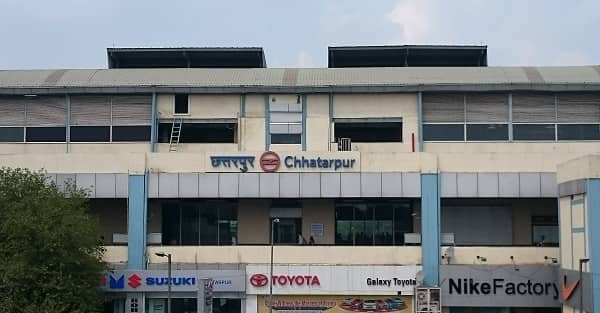
Chhatarpur Metro Station is located in the Chhatarpur locality of South West Delhi, with the postal code 110074. It sits along the busy Mehrauli-Gurgaon Road (MG Road), near the intersection with Andheria More. The station’s approximate coordinates are 28.5073°N, 77.1755°E.
The surrounding area blends residential colonies, villages, commercial developments, and religious sites. Key landmarks include the massive Chhatarpur Temple (Maa Katyayani Shaktipeeth), one of the largest temples in North India dedicated to Goddess Durga. Other nearby spots are Qutub Minar, Mehrauli Archaeological Park, Kishangarh Village, and upscale areas like Vasant Kunj with its malls (DLF Promenade, Ambience Mall) and residential societies. The station’s elevated structure offers views of the green pockets, temple spires, and growing urban development. Its position between urban Delhi and the outskirts makes it ideal for those traveling towards Gurugram or exploring South Delhi’s heritage and commercial zones.
Connectivity
Chhatarpur Metro Station provides strong connectivity within Delhi and to neighboring areas. As part of the Yellow Line, it links passengers to central Delhi, North Delhi, and Gurugram. Commuters can reach major hubs like Rajiv Chowk, AIIMS, Hauz Khas, and further to Samaypur Badli in the north or HUDA City Centre in the south.
Last-mile connectivity is supported by auto-rickshaws, e-rickshaws, taxis (Uber, Ola), and cluster buses available near the exits. The station connects well with roads leading to Vasant Kunj, Saket, and Mehrauli. Proximity to the Mehrauli-Gurgaon Road and National Highway 48 allows easy access for private vehicles heading towards Gurugram or southern Delhi. While there are no direct interchange facilities currently at this station for other lines, upcoming Phase 4 developments will add an underground station connecting to the Silver Line, enhancing its role significantly.
For airport travelers, interchanges at stations like Hauz Khas or New Delhi Railway Station provide access to the Airport Express Line. The station serves a diverse crowd — temple visitors during festivals, mall shoppers, and office-goers — making it a vibrant node in the NCR’s transport network.
Route and Operations
Chhatarpur Metro Station operates on the Yellow Line with two side platforms in an elevated setup:
- Platform 1: Southbound trains towards Millennium City Centre Gurugram (HUDA City Centre). Next station: Sultanpur.
- Platform 2: Northbound trains towards Samaypur Badli. Next station: Qutub Minar.
Trains run frequently, with intervals of 2-5 minutes during peak hours and slightly longer during off-peak times. The first trains typically start around 5:30-6:00 AM, while the last services run until approximately 11:00 PM to midnight. The Yellow Line offers extensive coverage across Delhi and parts of Haryana, with end-to-end journeys taking about 70-80 minutes.
The route from Chhatarpur passes through iconic spots like Qutub Minar, Green Park, AIIMS, and Connaught Place, making it convenient for both locals and tourists. Fares are distance-based: short trips within South Delhi may cost ₹20-40, while a journey to central Delhi or Gurugram typically ranges from ₹40-70. Automated announcements, digital display boards, and clear signage guide passengers efficiently. As a busy station near a major temple and commercial areas, it sees high footfall, especially on weekends and during religious events.
Gates and Exits
The station currently has three gates, though Gate 2 is closed for Phase 4 construction work related to the new underground Silver Line interchange. Passengers are advised to use Gates 1 and 3.
- Gate 1 and Gate 3: Both open towards MG Road (Mehrauli-Gurgaon Road). These are the primary exits, leading to the main road, auto stands, and directions towards Chhatarpur Temple, Vasant Kunj, and nearby residential areas.
- Gate 2: Currently closed. When operational, it faces South West Delhi and will serve as the future interchange point with the underground Silver Line station via a subway connection.
All operational gates feature stairs, escalators, and elevators for smooth movement between street level, concourse, and platforms. The station is Divyang-friendly with ramps, tactile paving, dedicated seating, and priority assistance for differently-abled passengers. Security personnel and clear signage help manage crowds, particularly during peak temple visiting hours or evening rush. Drop-off and pick-up zones near the gates are well-organized to handle vehicular traffic.
Facilities
Chhatarpur Metro Station is equipped with essential modern amenities for a comfortable commuting experience:
Ticketing and Information: Ticket counters, Automated Ticket Vending Machines (ATVMs), and smart card (Delhi Metro Card) recharge facilities are available on the concourse. Customer care desks provide route guidance and real-time updates.
Parking: The station offers paid parking managed by DMRC, with capacity for around 800 two-wheelers and 80-100 four-wheelers (total capacity nearing 950 vehicles in some references). This makes it convenient for park-and-ride users. Charges are hourly or daily, with monthly options available.
Banking and Retail: ATMs from major banks are accessible near the station. Small kiosks sell snacks, beverages, newspapers, magazines, and essential items. The vibrant surrounding area, including markets and malls in Vasant Kunj, supplements shopping and dining needs.
Accessibility and Comfort: The station features three lifts and three escalators. Clean public toilets (five in total, including facilities near gates and on the unpaid concourse), drinking water fountains, and adequate seating are provided. Air-conditioned areas, proper lighting, and announcements in multiple languages enhance usability.
Safety and Security: 24/7 CCTV surveillance, fire safety systems, and trained security staff ensure passenger safety. Lost-and-found counters, first-aid facilities, and emergency protocols are in place. The station is designed as a Divyang-friendly facility with all necessary support features.
Additional conveniences include mobile charging points and well-maintained surroundings. The proximity to the Chhatarpur Temple and green areas adds a unique character to the station.
Significance and Future Outlook
Chhatarpur Metro Station plays a vital role in supporting South Delhi’s religious, residential, and commercial life. It has significantly improved accessibility to the Chhatarpur Temple, boosting pilgrimage tourism while serving daily commuters heading to offices in Vasant Kunj, Cyber City (via further metro travel), or central Delhi. The station has contributed to reduced road congestion and promoted sustainable public transport in a rapidly developing area.
Future developments are promising. The upcoming underground Chhatarpur station on the Silver Line (Tughlakabad to Aerocity) will transform it into a major interchange, connected via subway from the existing Gate 2 area. This will enhance connectivity to other parts of Delhi and the airport, increasing its importance in the network.
Challenges like peak-hour crowding during festivals are managed through efficient operations and crowd control measures. As Delhi expands, stations like Chhatarpur will continue evolving with better infrastructure and integrated transit options.
In conclusion, Chhatarpur Metro Station combines strategic location, reliable Yellow Line connectivity, efficient routes, accessible gates, and practical facilities to serve lakhs of passengers. Whether visiting the iconic temple, shopping in nearby malls, or commuting daily, it offers convenience and reliability. With upcoming expansions, it is poised to become an even more significant hub in South Delhi’s urban mobility landscape, supporting the city’s growth while connecting people to its cultural and modern attractions.