 By Akash Sharma
 Chandni Chowk Metro Station is one of the most iconic and bustling underground stations on the Delhi Metro’s Yellow Line. Situated in the heart of Old Delhi, it serves as a vital gateway to one of India’s oldest and most vibrant commercial and historical districts. Opened on December 20, 2004, as part of the initial Yellow Line stretch, the station has since become an essential transit point for daily commuters, shoppers, traders, and tourists exploring the rich heritage of Shahjahanabad. Its underground design helps preserve the dense urban fabric of Chandni Chowk while providing efficient connectivity across the National Capital Region (NCR).
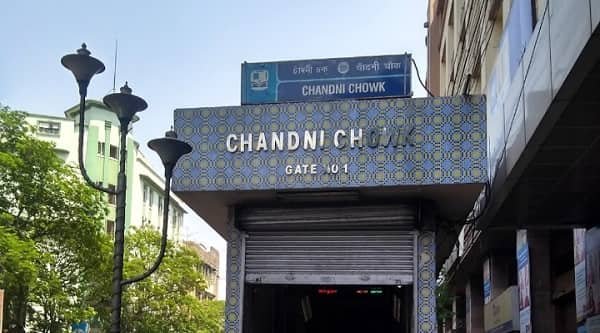
Location
Chandni Chowk Metro Station is located in the Chandni Chowk area of Central Delhi, with the postal code 110006. It lies beneath the busy Netaji Subhash Marg and is positioned near the iconic Chandni Chowk market, one of Asia’s largest wholesale markets. The station’s approximate geographic coordinates are 28.6585°N, 77.2309°E.
The surrounding area is a vibrant tapestry of narrow lanes, bustling bazaars, historical monuments, and traditional havelis. Key landmarks within walking distance include the Red Fort, Jama Masjid, Fatehpuri Masjid, Gurdwara Sis Ganj Sahib, and the famous Paranthe Wali Gali. The station is also close to the Old Delhi Railway Station and the bustling Sadar Bazaar. Its underground placement minimizes surface congestion in this high-density zone, while convenient exits open directly into the market streets. The area remains a major commercial hub dealing in spices, jewellery, electronics, textiles, and street food, attracting visitors round the year, especially during festivals like Diwali, Eid, and Navratri.
Connectivity
Chandni Chowk Metro Station offers excellent connectivity within Old and Central Delhi and to the wider NCR. As a Yellow Line station, it links passengers to modern Delhi as well as Gurugram in the south. Commuters can easily reach Rajiv Chowk (Connaught Place), New Delhi Railway Station, AIIMS, Qutub Minar, and further to HUDA City Centre.
The station integrates well with other modes of transport. Nearby, cycle rickshaws — the traditional and most practical way to navigate Old Delhi’s narrow galis — are readily available. Auto-rickshaws, e-rickshaws, and app-based taxis (Uber, Ola) operate from designated points. DTC buses and proximity to Old Delhi Railway Station enhance inter-city and intra-city travel options. For tourists, the station serves as an ideal base to explore heritage sites without the hassle of road traffic.
While it is not currently a major interchange station, its central location allows easy transfers to other lines via short metro rides to Rajiv Chowk (Blue Line) or Kashmere Gate (multiple lines). Future Phase 4 expansions and potential new corridors in Old Delhi are expected to further strengthen its connectivity.
Route and Operations
Chandni Chowk Metro Station operates on the Yellow Line with two side platforms in an underground configuration:
- Platform 1: Southbound trains towards Millennium City Centre Gurugram (HUDA City Centre). Next station: Chawri Bazar.
- Platform 2: Northbound trains towards Samaypur Badli. Next station: Kashmere Gate.
Trains run at high frequency, especially during peak hours (every 2-4 minutes), with slightly longer intervals during off-peak times. The first trains usually begin around 5:30-6:00 AM, and the last services operate until approximately 11:00 PM to midnight. The full Yellow Line journey from Chandni Chowk to its northern or southern terminals takes roughly 35-75 minutes depending on the destination.
The route offers a fascinating mix of old and new Delhi. Heading north takes passengers towards the Civil Lines and universities, while the southern direction passes through bustling commercial areas like Connaught Place, Green Park, and South Delhi. Fares are distance-based and affordable: short trips within Central Delhi typically cost ₹20-30, while longer journeys to Gurugram or North Delhi range between ₹40-70. Automated announcements in Hindi and English, digital information boards, and clear signage guide passengers efficiently. Due to its location in a major market area, the station sees exceptionally high footfall, particularly in the evenings and on weekends.
Gates and Exits
Chandni Chowk Metro Station has four operational gates, carefully planned to disperse crowds into different parts of the historic market:
- Gate 1: Opens towards the main Chandni Chowk Road and leads to the famous wholesale market, Gurdwara Sis Ganj Sahib, and nearby shops. This is the most commonly used exit for shoppers and traders.
- Gate 2: Provides access to Netaji Subhash Marg and areas towards the Old Delhi Railway Station. It is popular among railway passengers and those heading to Sadar Bazaar.
- Gate 3: Leads towards Dariba Kalan and the jewellery market section. Ideal for visitors exploring traditional silver and gold markets.
- Gate 4: Connects to the eastern side of Chandni Chowk, closer to the Red Fort direction and certain food streets.
All gates are equipped with escalators, stairs, and elevators for smooth vertical movement from the underground concourse to street level. The station is Divyang-friendly, featuring ramps, tactile paving, priority lifts, dedicated seating, and assistance for differently-abled passengers. Clear multilingual signage and security personnel help manage the dense crowds, especially during peak market hours. Covered walkways and well-lit exits enhance safety and convenience for pedestrians navigating the busy streets.
Facilities
Chandni Chowk Metro Station is equipped with modern amenities tailored to handle high passenger volumes:
Ticketing and Information: Multiple ticket counters, Automated Ticket Vending Machines (ATVMs), smart card recharge kiosks, and customer care desks are available on the concourse level. Real-time train information and route maps support hassle-free travel.
Banking and Retail: ATMs from major banks are installed near the station. Small kiosks inside the station sell snacks, beverages, newspapers, and essential items. The surrounding market offers extensive street food and shopping options just outside the gates.
Parking: Limited surface parking is available near some gates, though the dense urban setting restricts large parking facilities. Most users rely on public transport or walking. Two-wheeler parking pockets exist for regular commuters.
Accessibility and Comfort: The station features clean Sulabh toilets, drinking water fountains, air-conditioned concourse and platforms, and adequate seating. Proper lighting, ventilation systems, and announcements in multiple languages improve the overall experience. Mobile charging points and Wi-Fi services (where available) add convenience for travelers.
Safety and Security: Round-the-clock CCTV surveillance, fire safety systems, trained security staff, and metal detectors maintain high safety standards. Lost-and-found counters, first-aid facilities, and emergency protocols are in place. The underground design helps maintain a controlled environment despite the chaotic street level outside.
Additional conveniences include nearby hotels, budget accommodation, and easy access to heritage walks organized in the area.
Significance and Future Outlook
Chandni Chowk Metro Station is far more than a transit point — it is a cultural and economic lifeline for Old Delhi. It has significantly improved accessibility to this historic trading hub, reduced road congestion in narrow lanes, and boosted tourism by making heritage sites easily reachable. For traders and shopkeepers, it provides reliable daily connectivity, while for visitors, it offers a convenient entry into the soul of Mughal-era Delhi.
The station witnesses massive surges in footfall during festivals, religious events, and national holidays. Challenges such as peak-hour crowding and managing street-level integration are addressed through efficient operations and periodic infrastructure reviews.
Looking ahead, Delhi Metro’s Phase 4 and potential heritage corridor projects may bring additional connectivity options, possibly including new underground lines or better integration with other transport modes. Upgrades in facilities and crowd management systems will help the station continue serving its role effectively as Old Delhi evolves.
In conclusion, Chandni Chowk Metro Station beautifully bridges Delhi’s glorious past with its modern transport future. Its prime location in the heart of Old Delhi, strong Yellow Line connectivity, efficient underground route, multiple well-placed gates, and comprehensive facilities make it an indispensable hub for lakhs of users every day. Whether you are a trader sourcing goods, a tourist exploring centuries-old monuments, or a daily commuter, the station delivers reliability, convenience, and a memorable experience in one of India’s most energetic urban landscapes.
Hello connectmost.com,
As of now, your business is not featured among the top 10 local Google organic search results or within Google Maps rankings.
Increase organic traffic, visibility, leads
Technical SEO issues found (crawl errors, Core Web Vitals, backlink profile)
Ensure your website top position on Google 1st page.
Let us know if we can send pricing or crew availability.
Best,
Daniel Thompson
Website : https://digital-care-services.us
WhatsApp : wa.link/u2vgm8
Hi http://connectmost.com/fekal0911 Webmaster