 By Kartikey Bhatt
A takeaway meal arrives with plastic containers, disposable cutlery and several small sachets. An online order comes inside layers of cardboard, tape and plastic wrapping. Groceries bring another collection of packets into the kitchen. Individually, these items seem insignificant, but over weeks and months they can create a surprisingly large amount of household waste.
This is where the idea of a zero-waste lifestyle becomes relevant. Despite the name, zero waste does not necessarily mean fitting an entire year’s rubbish into one tiny jar or completely eliminating waste from your home. For most Indian households, that would be unrealistic. A more practical goal is to prevent unnecessary waste, reuse what is already available, separate waste correctly and send as little as reasonably possible for disposal.
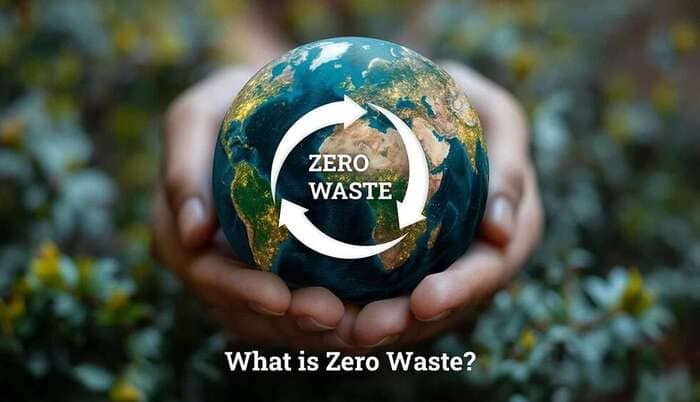
Zero-waste living is therefore less about perfection and more about changing everyday habits. From carrying a reusable shopping bag to composting kitchen scraps, small actions repeated consistently can gradually create a lower-waste household.
Zero-Waste Lifestyle at a Glance
| Area | Zero-Waste Approach |
|---|---|
| Shopping | Buy according to actual need |
| Packaging | Prefer less unnecessary packaging |
| Carry Bags | Use reusable bags |
| Food | Plan meals and reduce leftovers |
| Kitchen Waste | Compost suitable organic waste |
| Clothing | Repair, reuse, donate or resell |
| Electronics | Repair and dispose responsibly |
| Containers | Reuse suitable jars and boxes |
| Water Bottles | Carry a reusable bottle |
| Household Items | Choose durable products |
| Waste Disposal | Segregate waste correctly |
| Main Goal | Prevent waste before managing it |
What Does Zero Waste Actually Mean?
Zero waste is an approach that aims to reduce the amount of material unnecessarily thrown away.
It focuses first on preventing waste rather than simply trying to recycle everything later.
A commonly used approach can be understood through five actions:
- Refuse what you do not need.
- Reduce unnecessary consumption.
- Reuse products where practical and safe.
- Recycle appropriate materials.
- Rot or compost suitable organic waste.
The order matters.
Avoiding an unnecessary disposable item is generally simpler than figuring out how to recycle it after use.
Start by Looking Inside Your Dustbin
Before buying reusable products or completely reorganising the kitchen, understand what your household actually throws away.
Observe your waste for a few days.
You may find large quantities of:
- Vegetable and fruit scraps
- Food leftovers
- Plastic packaging
- Delivery containers
- Milk packets
- Paper
- Cardboard
- Disposable tissues
- Bottles
- Toiletry packaging
This simple waste audit helps identify where changes will have the greatest impact.
If food waste forms most of your household rubbish, buying a collection of reusable straws will not solve the main problem.
Start with the largest and easiest source of waste.
Refuse Unnecessary Items Before They Enter Your Home
The easiest waste to manage is the waste you never create.
Many disposable items enter homes simply because they are automatically provided.
When ordering food, for example, you may not need disposable spoons if you are eating at home.
Similarly, promotional leaflets, unnecessary bags and free samples can quickly become waste.
Consider refusing:
- Disposable cutlery when not needed
- Extra shopping bags
- Unnecessary promotional materials
- Duplicate freebies
- Excessive gift packaging
This habit costs nothing.
It simply requires becoming more conscious about what enters your home.
Carry Reusable Essentials
A few reusable items can reduce dependence on disposables.
Useful everyday options include:
- Cloth shopping bags
- Reusable water bottles
- Lunch boxes
- Travel mugs where useful
- Reusable containers
The key is not buying dozens of fashionable reusable products.
Use what you already own first.
An old cloth bag that has been used for five years may be more consistent with a low-waste lifestyle than replacing it simply because a newer “eco-friendly” version looks better.
Zero waste should reduce consumption, not create another reason to shop.
Food Waste Is an Important Place to Start
Indian kitchens can generate significant organic waste from vegetable peels, fruit scraps and leftover food.
Some of this waste is unavoidable, but much can be reduced through better planning.
Practical habits include:
- Check the refrigerator before shopping.
- Plan meals around ingredients already available.
- Store food correctly.
- Serve manageable portions.
- Use suitable leftovers safely.
- Avoid buying excessive quantities during discounts.
- Monitor expiry or use-by information where applicable.
A discounted food item is not a saving if it eventually goes into the bin.
Meal planning does not need to be complicated. Even deciding the next few meals before grocery shopping can reduce unnecessary purchases.
Composting Can Reduce Organic Household Waste
Suitable kitchen waste can often be composted instead of being mixed with general rubbish.
Depending on the composting system, suitable materials may include:
- Fruit and vegetable scraps
- Certain plant trimmings
- Dry leaves
- Other appropriate biodegradable material
Home composting can be possible in independent houses as well as some apartments using appropriate bins or community systems.
However, successful composting requires basic knowledge about moisture, airflow and the materials being added.
People living in housing societies can also explore whether community composting or municipal organic-waste collection is available locally.
Waste Segregation Makes Disposal More Effective
Even households that cannot dramatically reduce consumption can improve how waste is handled.
Separating waste at the source prevents different materials from becoming unnecessarily contaminated.
Local requirements vary, but households may need separate arrangements for categories such as:
- Wet or biodegradable waste
- Dry recyclable waste
- Domestic hazardous waste
- Sanitary waste
- Electronic waste
Follow the waste-segregation system required by your municipality or housing society.
Clean and dry recyclable materials are often easier to handle than items contaminated with food.
Segregation is one of the most practical habits households can adopt immediately.
Repair Before Replacing
Modern consumer culture often makes replacement seem easier than repair.
A loose button leads to a new shirt. A damaged appliance is replaced without checking whether a simple component can be fixed.
India still has a strong repair ecosystem involving:
- Tailors
- Cobblers
- Electricians
- Appliance technicians
- Mobile repair shops
- Furniture repair workers
Using these services can extend product life while supporting local skills and businesses.
Before replacing something, ask:
Can this be repaired safely and economically?
Not every item should be repaired indefinitely, especially if safety is compromised, but many products are discarded much earlier than necessary.
Buy Durable Products Instead of Constant Replacements
Low purchase price does not always mean low long-term cost.
If an inexpensive product repeatedly breaks and needs replacement, a durable alternative may ultimately create less waste and provide better value.
When shopping, consider:
- Expected lifespan
- Repairability
- Warranty
- Spare-part availability
- Material quality
- Actual frequency of use
This applies to clothing, furniture, kitchen products, electronics and many household items.
Buying fewer useful products is often more effective than filling the home with items purchased impulsively.
Build a More Conscious Clothing Habit
Fashion can create significant household clutter when clothes are purchased faster than they are actually worn.
A lower-waste wardrobe can involve:
- Buying according to genuine need.
- Choosing clothes you will wear repeatedly.
- Repairing minor damage.
- Altering clothes when practical.
- Donating usable items responsibly.
- Reselling appropriate garments.
- Reusing older clothes for suitable household purposes.
Repeating an outfit is normal.
Personal style does not require continuously replacing clothes to follow every short-lived trend.
Handle Electronic Waste Separately
Old phones, chargers, batteries and electronic accessories should not simply be mixed with ordinary household rubbish.
Electronic products can contain materials that require specialised handling.
Instead:
- Use authorised collection or take-back options where available.
- Check manufacturer or retailer collection programmes.
- Delete personal data before disposing of devices.
- Keep batteries separate from general household waste.
- Avoid handing sensitive devices over without considering data security.
Responsible e-waste handling becomes increasingly important as households own more electronic products.
Avoid Turning Zero Waste Into an Expensive Lifestyle
One of the biggest misconceptions about zero-waste living is that you need to replace everything in your home.
You do not need a new bamboo toothbrush holder, matching glass jars and a complete collection of premium reusable products just to begin.
The most sustainable item is often the useful item you already own.
Instead of replacing plastic containers that are still suitable for their intended use, continue using them appropriately until replacement is genuinely necessary.
A low-waste lifestyle should generally encourage less consumption, not a different category of excessive consumption.
Make One Change at a Time
Trying to eliminate all household waste in a week is likely to become frustrating.
Choose one manageable habit.
For example:
Week 1: Carry reusable shopping bags.
Week 2: Start separating household waste properly.
Week 3: Plan groceries to reduce food waste.
Week 4: Explore composting if practical.
Once a behaviour becomes automatic, add another.
Household members are also more likely to cooperate when changes are simple rather than introduced as a long list of strict rules.
Zero-waste living is ultimately about progress. A household that consistently reduces unnecessary waste is achieving something valuable even if it still sends some rubbish for disposal.
FAQs
1. Is it actually possible to produce absolutely zero waste at home?
A. For most households, eliminating every form of waste is unrealistic. Packaging, medical products, sanitary items and other materials may still require disposal. A practical zero-waste lifestyle focuses on preventing and reducing waste wherever reasonably possible.
2. Can I follow a zero-waste lifestyle while living in an apartment?
A. Yes. Apartment residents can begin with reusable bags, meal planning, waste segregation, responsible recycling and reducing unnecessary purchases. Composting may also be possible through suitable home systems or community facilities.
3. Is zero-waste living expensive?
A. It does not need to be. Using existing containers, carrying reusable bags, reducing food waste, repairing products and buying fewer unnecessary items can actually reduce household spending. Avoid replacing usable belongings only to purchase products marketed as sustainable.
4. What is the easiest zero-waste habit for a beginner?
A. Start by identifying the most common waste in your household. For many families, carrying reusable shopping bags, refusing unnecessary disposable items and separating wet and dry waste are simple first steps that require very little lifestyle disruption.