 By Kartikey Bhatt
In India, the same destination can feel like two completely different places depending on whether you visit before, during or after the monsoon. A waterfall that is barely flowing in summer may become spectacular after weeks of rain. A dry hillside can turn intensely green, while a peaceful mountain road may become vulnerable to landslides. Beach activities that are popular in winter may be restricted when the sea becomes rough.
That is why monsoon timing should be part of travel planning, not something you check only after booking your hotel. India’s monsoon does not arrive everywhere at the same time or affect every destination equally. Rainfall patterns vary considerably between the west coast, Himalayan states, central India, the northeast and southeastern regions.
For travellers, the monsoon can bring beautiful landscapes, fewer crowds and attractive off-season experiences. It can also cause delays, road closures, flooding, rough seas and sudden itinerary changes. The key is not necessarily avoiding the rainy season—it is understanding what kind of trip the weather allows.
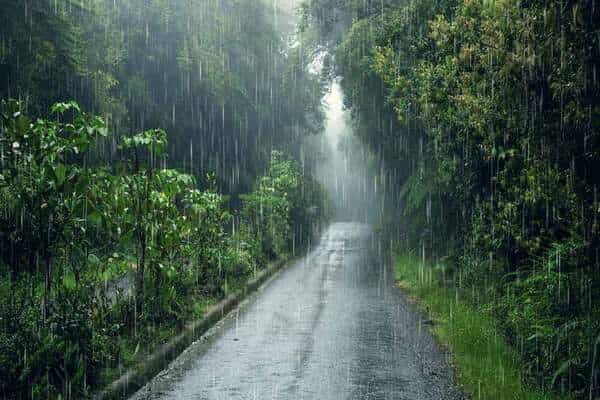
Monsoon Travel in India: Quick Overview
| Factor | Possible Advantage | Possible Challenge |
|---|---|---|
| Landscape | Green hills and powerful waterfalls | Slippery terrain |
| Crowds | Fewer tourists at some destinations | Some attractions may close |
| Hotels | Potential off-season deals | Limited services in some areas |
| Road Trips | Scenic green routes | Flooding and landslide risk |
| Beaches | Dramatic monsoon scenery | Rough seas and activity restrictions |
| Trekking | Lush surroundings | Mud, poor visibility and slippery trails |
| Wildlife | Green forests | Some parks/routes may be inaccessible |
| Photography | Clouds, mist and waterfalls | Rain can affect equipment |
| Transport | Less peak-season congestion in places | Delays and cancellations possible |
India’s Monsoon Is Not the Same Everywhere
One of the biggest mistakes travellers make is treating “monsoon season” as one fixed period across the entire country.
India’s rainfall is shaped by geography, elevation and different weather systems.
The southwest monsoon typically has a major influence on much of India from around June onward, but the timing and intensity vary considerably.
The west coast, including parts of Kerala, Karnataka, Goa and Maharashtra, can receive substantial monsoon rainfall.
The Western Ghats intensify rainfall in many locations because moisture-bearing winds rise over the mountains.
The northeastern states also receive significant rainfall.
Tamil Nadu, however, has a different pattern and receives an important share of its annual rainfall during the northeast monsoon later in the year.
Therefore, checking only a generic “India monsoon calendar” is not enough.
Always research the specific destination.
Monsoon Can Completely Transform a Landscape
Rain can make certain destinations dramatically more beautiful.
Dry hills become green, streams refill and waterfalls return to life.
This transformation is especially noticeable across parts of:
- Maharashtra
- Goa
- Karnataka
- Kerala
- Madhya Pradesh
- Northeast India
- Western Ghats
For nature lovers, the rainy season can be one of the most visually rewarding periods to travel.
Hill areas around the Western Ghats, for example, can develop a completely different atmosphere with clouds, mist and fresh vegetation.
This is why monsoon tourism has become popular among travellers who are less interested in conventional sightseeing and more interested in scenery.
However, beautiful landscapes should never distract from weather-related hazards.
Waterfalls Are Spectacular—but Require Extra Caution
Waterfalls are among the biggest attractions of monsoon travel.
A waterfall that looks unimpressive during a dry month can become enormous after heavy rain.
But increased water flow also means greater danger.
During the monsoon:
- Rocks become slippery.
- Water levels can rise quickly.
- Currents become stronger.
- River crossings may become dangerous.
- Flash flooding can occur.
- Visibility can deteriorate.
Never climb barriers or enter restricted zones simply to take photographs.
If local authorities close access to a waterfall or viewpoint, the restriction should be taken seriously.
Social-media photographs are not worth ignoring changing water conditions.
Hill Stations Can Face Landslides
Rainy-season travel in mountain areas requires careful planning.
Heavy or prolonged rainfall can destabilise slopes and trigger landslides, rockfalls or road blockages.
This is particularly relevant in parts of the:
- Himalayas
- Western Ghats
- Northeast
- Other steep hill regions
A journey that normally takes four hours can become much longer if roads are blocked.
In severe weather, travellers may need to postpone or abandon sections of their itinerary.
This is why a tightly packed monsoon itinerary is rarely a good idea.
Keep buffer time between major journeys, particularly if you have a flight or train to catch afterward.
Beach Holidays Change Significantly During Monsoon
Travellers planning Goa, coastal Karnataka, Kerala or Maharashtra should understand how the monsoon changes the sea.
The coastline may look dramatic under dark clouds, but rough water can make swimming dangerous.
Depending on conditions and local rules, activities such as:
- Parasailing
- Jet skiing
- Banana-boat rides
- Scuba excursions
- Recreational boating
may be restricted or unavailable.
Some seasonal beach businesses may also operate differently outside the main tourist period.
A monsoon beach trip can still be enjoyable if your priority is relaxation, food, photography and watching the rain.
It is less suitable if your main objective is guaranteed sunshine and a full schedule of water sports.
Monsoon Travel Can Be More Affordable
One attraction of travelling during rainy months is the possibility of lower tourism demand at certain destinations.
Hotels and resorts may sometimes offer more competitive rates than during peak winter or holiday periods.
This can make premium accommodation more accessible to budget-conscious travellers.
However, do not choose a destination purely because the room is cheaper.
A discounted resort is poor value if:
- The attraction you wanted is closed.
- Road access is unreliable.
- Outdoor activities are unavailable.
- The beach is unsafe for swimming.
Think about the total experience, not just the hotel price.
Fewer Crowds Can Improve the Experience
At destinations where travel remains practical, monsoon can provide a quieter experience.
Popular viewpoints, heritage properties and resorts may have fewer visitors compared with peak season.
For travellers who dislike crowds, this can be a major advantage.
A quieter trip may mean:
- Easier restaurant bookings
- Less crowded photographs
- More relaxed resort stays
- Reduced pressure at attractions
But visitor numbers depend heavily on weekends and regional holidays.
A famous monsoon destination near a major city can actually become extremely crowded on Saturdays, Sundays and long weekends.
“Off-season” does not always mean empty.
Road Trips Need More Careful Planning
A scenic monsoon drive can be wonderful, but rain changes driving conditions quickly.
Drivers may face:
- Reduced visibility
- Waterlogging
- Potholes hidden under water
- Slippery roads
- Falling rocks
- Landslides
- Flooded crossings
Avoid driving through water when you cannot judge its depth or current.
Travellers renting a car or motorcycle should also consider whether they are genuinely comfortable driving in heavy rain.
Before a long journey, check tyres, brakes, wipers, headlights and fuel.
In remote areas, do not assume assistance will be immediately available.
Trekking Requires a Different Risk Assessment
Monsoon trekking attracts hikers because trails become greener and temperatures may feel more comfortable.
But the same rain that creates beautiful scenery can make trails hazardous.
Potential problems include:
- Slippery rock
- Mud
- Leeches in some regions
- Poor visibility
- Fast-flowing streams
- Lightning
- Flash floods
Choose routes according to current conditions rather than old travel blogs or videos.
For unfamiliar terrain, use experienced local guides where appropriate.
A trail that was safe last weekend may not be safe after several days of intense rainfall.
Wildlife Travel Also Changes With the Season
Rain can dramatically alter wildlife destinations.
Forests become greener, water availability changes and animal movement patterns may differ.
However, many protected areas regulate tourism seasonally, and some parks or particular tourism zones close during parts of the monsoon.
Forest roads can become difficult or environmentally unsuitable for regular tourist vehicles.
If a wildlife safari is the main purpose of your holiday, verify the opening dates for the specific park and tourism zone before booking flights and accommodation.
Do not assume every national park follows the same schedule.
Health and Comfort Need Extra Attention
Rainy weather introduces everyday travel inconveniences that are easy to underestimate.
Wet footwear, damp clothing and mosquito exposure can quickly affect comfort.
Useful monsoon items include:
- Quick-drying clothes
- Waterproof footwear or sandals with good grip
- Compact umbrella
- Rain jacket
- Waterproof bag cover
- Insect repellent
- Personal medicines
- Power bank
- Waterproof pouch for electronics
Food and drinking-water hygiene also deserve attention.
Choose freshly prepared food from hygienic establishments and use safe drinking water.
Standing water can increase mosquito breeding, so appropriate protection becomes especially important in affected regions.
Photography Can Be Exceptional During Monsoon
For photographers, the monsoon offers conditions unavailable during the dry season.
Clouds soften harsh sunlight, while mist adds atmosphere to forests and hills.
Potential subjects include:
- Waterfalls
- Green valleys
- Rain-soaked streets
- Clouds over mountains
- Reflections
- Monsoon agriculture
- Coastal storms viewed from safe locations
Protect cameras and lenses carefully from water and humidity.
A waterproof cover and dry storage pouch can be valuable, especially on multi-day trips.
Build Flexibility Into Your Itinerary
The most useful monsoon travel strategy is flexibility.
Do not schedule every hour.
Instead:
- Keep spare time between long journeys.
- Choose refundable or flexible bookings where practical.
- Download important tickets and maps.
- Carry sufficient medicines.
- Check forecasts frequently.
- Follow local authority warnings.
- Have an indoor alternative for heavy-rain days.
If weather deteriorates, changing plans is not a failed holiday.
It is sensible travel.
The Best Monsoon Trip Depends on What You Want
The rainy season can be either the best or worst time to visit the same destination depending on your expectations.
If you want green landscapes, waterfalls, mist and quiet resort stays, monsoon travel can be exceptional.
If your priorities are predictable road travel, trekking, clear mountain views, swimming or water sports, another season may be more appropriate.
Timing matters because the monsoon does not simply change the weather—it can change what a destination allows you to do.
For Indian travellers, understanding that difference is the key to planning a trip that is memorable for the right reasons.
FAQs
1. Is it safe to travel in India during the monsoon?
A. Yes, many destinations remain accessible, but safety depends on the region and current weather. Travellers should monitor official weather and local warnings, particularly in areas vulnerable to landslides, flooding, rough seas or road closures.
2. Is Goa worth visiting during the monsoon?
A. It can be excellent for travellers who enjoy greenery, rain, food and relaxed stays. However, rough seas and seasonal restrictions can limit swimming and water sports, so it is different from a typical winter Goa holiday.
3. Should I avoid hill stations completely during heavy rains?
A. Not necessarily, but caution is essential. Mountain roads can face landslides, rockfalls and closures during intense rainfall. Avoid unnecessary travel during severe-weather warnings and keep flexibility in your schedule.
4. Are hotels always cheaper during monsoon season?
A. No. Some destinations offer off-season discounts, while popular monsoon getaways near major cities may become expensive on weekends and holidays. Compare current rates and consider activity availability before booking.