 By Saurav
Walk through the health-food section of a supermarket or scroll through social media, and you may come across foods presented almost like nutritional superheroes. Chia seeds are promoted for omega-3 fats, blueberries for antioxidants, quinoa for protein, avocados for healthy fats, and exotic powders for everything from immunity to energy. Before long, an ordinary Indian kitchen filled with dal, vegetables, fruits, curd, millets and spices can start looking nutritionally outdated.
But nutrition science does not work by dividing foods neatly into “super” and “ordinary” categories. There is no single food that can compensate for an otherwise poor diet, prevent every disease or provide all the nutrients the body requires.
Many foods popularly described as superfoods are genuinely nutritious. The problem is not necessarily the food itself; it is the exaggerated expectation created around it. “Superfood” is largely a marketing-friendly term rather than a formal scientific category.
For Indian consumers, understanding this difference can prevent unnecessary spending and help shift attention towards what matters much more: a varied, balanced and sustainable overall diet.
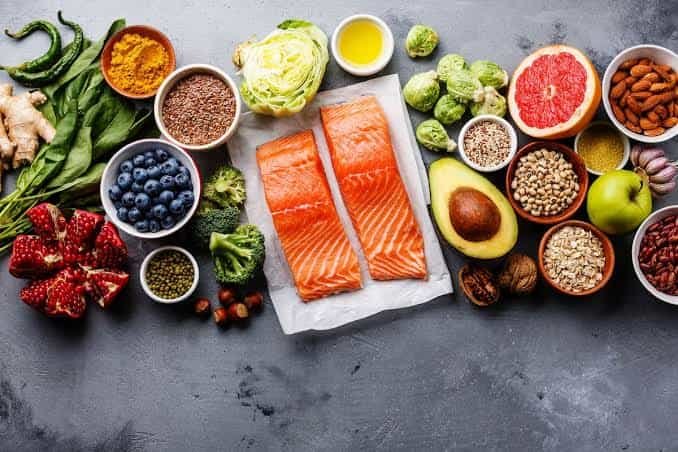
Superfoods: Marketing Claims vs Nutritional Reality
| Popular Idea | More Accurate View |
|---|---|
| One superfood can transform health | Overall dietary pattern matters more |
| Exotic foods are more nutritious | Many local foods provide comparable nutrients |
| More antioxidants are always better | Nutrients work within complex biological systems |
| Superfoods can “detox” the body | The body has its own waste-processing systems |
| Expensive means healthier | Cost does not determine nutritional value |
| One nutrient makes a food superior | Foods should be evaluated as a whole |
| Superfood powders replace whole foods | Whole dietary patterns remain important |
| Traditional foods are outdated | Many traditional Indian foods are highly nutritious |
What Does “Superfood” Actually Mean?
The term “superfood” sounds scientific, but it does not have one universally accepted nutritional definition.
It is commonly used to describe foods that contain relatively high levels of particular nutrients or plant compounds.
Examples frequently marketed as superfoods include:
- Chia seeds
- Blueberries
- Quinoa
- Avocado
- Kale
- Goji berries
- Matcha
- Acai berries
Many of these foods are nutritious.
Chia seeds provide fibre and plant-based omega-3 fatty acids. Blueberries contain vitamins and various plant compounds. Quinoa provides carbohydrate, protein, fibre and minerals.
But these characteristics do not give the foods magical properties.
Calling them “superfoods” often turns normal nutritional benefits into a much bigger marketing story.
Nutrition Science Looks at Dietary Patterns
One of the biggest problems with superfood marketing is that it encourages people to think about nutrition one ingredient at a time.
Human diets do not work that way.
Your long-term nutritional status depends on the combination of foods you regularly consume.
A person who eats vegetables, fruits, pulses, whole grains, nuts, seeds and appropriate protein sources does not suddenly have a poor diet because blueberries or quinoa are missing.
Likewise, adding a spoonful of an expensive superfood powder cannot automatically correct a diet dominated by highly processed foods and low in vegetables or fibre.
Important dietary factors include:
- Variety
- Portion size
- Overall energy intake
- Protein adequacy
- Fibre
- Micronutrients
- Food quality
- Eating habits over time
Consistency matters far more than one fashionable ingredient.
Why Antioxidants Became a Powerful Marketing Word
“Rich in antioxidants” is one of the most common phrases used to promote superfoods.
Antioxidants are substances that participate in processes related to oxidative reactions in the body.
Many fruits, vegetables, spices, nuts, seeds and other plant foods contain compounds with antioxidant properties.
The problem begins when the concept is simplified into:
More antioxidants = automatically better health.
Human biology is far more complicated.
The amount of a compound in a food does not directly tell you how much reaches a particular tissue or what effect it will have in a person.
Absorption, metabolism, dose, food preparation and overall diet all matter.
Rather than chasing the food with the most impressive antioxidant marketing, it is more practical to eat a diverse range of plant foods.
India Already Has Plenty of Nutrient-Rich Foods
One reason the superfood trend deserves scrutiny in India is that it can make imported foods appear nutritionally superior to familiar local ingredients.
Consider foods already widely available across India:
- Amla
- Guava
- Papaya
- Groundnuts
- Sesame seeds
- Flaxseeds
- Ragi
- Bajra
- Jowar
- Dals
- Chickpeas
- Green leafy vegetables
- Curd
These foods provide different combinations of protein, fibre, vitamins, minerals and beneficial plant compounds.
Amla, for example, is known for its vitamin C content. Pulses provide protein and fibre. Millets can contribute fibre and minerals. Groundnuts provide protein, fats and several micronutrients.
They may not always arrive in premium packaging with an international “superfood” label, but nutritionally they can play valuable roles in a healthy diet.
Chia Seeds vs Familiar Indian Seeds
Chia seeds are a good example of how marketing can influence perception.
They are genuinely nutritious and can be a useful addition to meals.
But they are not essential.
Indian consumers also have access to seeds such as flaxseed and sesame, each with its own nutritional advantages.
Rather than asking:
“Which is the ultimate superfood?”
a better question is:
“Which foods provide the nutrients I need and fit my diet, budget and preferences?”
Different seeds provide different nutrient profiles, so variety can be more useful than declaring one winner.
Quinoa Is Nutritious, but So Are Indian Grains and Millets
Quinoa became extremely popular among health-conscious consumers partly because of its protein quality and nutritional profile.
There is nothing wrong with eating quinoa.
But buying quinoa does not automatically make a meal healthier than one built around traditional grains.
India has long used:
- Ragi
- Bajra
- Jowar
- Barley
- Various regional grains and millets
Each has different nutritional characteristics.
Food choice should also consider affordability, availability, cooking traditions and what else is eaten with the grain.
A balanced meal containing a grain or millet, dal, vegetables and curd may provide a much broader nutritional package than focusing on one fashionable ingredient.
“Detox Superfoods” Are Particularly Misleading
Some foods, juices and powders are marketed as helping to “detox” the body.
This language can create the impression that toxins continuously accumulate and need to be removed through a special food.
The human body already has sophisticated systems for processing and eliminating many waste products.
Organs involved include:
- Liver
- Kidneys
- Lungs
- Gastrointestinal system
Good nutrition supports normal body function, but no ordinary food acts like a universal internal cleaning agent.
Eating vegetables, fruits and other nutritious foods is beneficial without needing to describe them as detox products.
Be especially cautious when a product claims to remove undefined “toxins” without clearly explaining what substance is being discussed.
Social Media Amplifies Superfood Hype
Social media is perfectly suited to superfood marketing.
A dramatic message such as “Eat this seed every morning” attracts more attention than “maintain a balanced dietary pattern over many years.”
Influencers may focus on one impressive nutrient while ignoring the rest of the food—or the rest of the diet.
Common online claims include foods that supposedly:
- Burn fat
- Boost immunity instantly
- Balance hormones
- Detox the liver
- Reverse ageing
- Improve skin within days
- Prevent multiple diseases
Claims this broad should be approached cautiously.
Nutrition can influence health, but individual foods rarely produce dramatic results in isolation.
The Halo Effect Can Make People Overestimate a Product
Calling something a superfood can create a health halo.
Once consumers believe a product is extremely healthy, they may stop evaluating the rest of its nutritional profile.
For example, a packaged snack containing chia, quinoa or another fashionable ingredient may still contain substantial:
- Added sugar
- Sodium
- Refined starch
- Fat
- Calories
The presence of one nutrient-rich ingredient does not automatically transform the entire product.
This is why reading the complete ingredient list and nutrition information is more useful than focusing on one highlighted ingredient on the front.
More Is Not Always Better
Another misconception is that if a food is nutritious, consuming very large quantities must provide additional benefits.
That is not how balanced nutrition works.
Eating excessive quantities of one food can displace other foods and reduce dietary variety.
Even nutrient-rich foods contribute calories and may cause digestive discomfort or other problems when consumed excessively.
Some foods can also interact with medical conditions or medications.
A practical approach is to include nutritious foods as part of meals rather than treating them as concentrated nutritional medicine.
Price Is a Poor Measure of Nutrition
Superfoods often command premium prices because of:
- Import costs
- Branding
- Packaging
- Processing
- Trend-driven demand
- Limited availability
None of these automatically makes a product more nutritious.
A locally grown guava may provide excellent nutrition despite costing much less than imported berries.
Similarly, dal does not need luxury branding to be an important source of protein and fibre in an Indian diet.
For families managing grocery budgets, choosing seasonal and locally available foods can provide excellent nutritional value without chasing expensive trends.
What Should You Focus on Instead of Superfoods?
Rather than searching for one perfect food, build meals around diversity.
A practical diet can include:
- Different vegetables
- Seasonal fruits
- Pulses and legumes
- Whole or minimally refined grains
- Nuts and seeds
- Appropriate dairy or alternatives
- Eggs, fish or meat where consumed
- Adequate fluids
The exact combination will vary with age, health, culture, budget and dietary preference.
Traditional meals can often provide a useful structure because they naturally combine multiple food groups.
The goal should not be finding the most fashionable ingredient. It should be creating an eating pattern you can maintain consistently.
When “Superfoods” Can Still Be Useful
The criticism of the term does not mean foods labelled as superfoods should be avoided.
If you enjoy blueberries, quinoa, avocado or chia seeds and they fit your budget, they can absolutely be part of your diet.
The important distinction is:
Nutritious does not mean miraculous.
Choose them because you enjoy them or because they provide nutrients that fit your dietary needs—not because advertising suggests they can transform your health on their own.
FAQs
Q1. Are superfoods actually a scam?
A. Not necessarily. Many foods marketed as superfoods are genuinely nutritious. The misleading part is often the exaggerated suggestion that one food provides extraordinary health benefits that cannot be obtained through a varied diet.
Q2. Do Indians need imported superfoods for a healthy diet?
A. No. A balanced Indian diet can obtain valuable nutrients from locally available fruits, vegetables, pulses, grains, millets, nuts, seeds and dairy or other appropriate protein sources. Imported foods can add variety but are not essential simply because they carry a superfood reputation.
Q3. What are some affordable alternatives to expensive superfoods?
A. Depending on the nutrient you are seeking, useful options can include amla, guava, papaya, flaxseed, sesame, groundnuts, dals, chickpeas, ragi, bajra, jowar and seasonal green vegetables. No single alternative needs to replace another food exactly; dietary variety is more important.
Q4. How can I tell whether a superfood product is genuinely healthy?
A. Ignore the large marketing claim initially and read the ingredient list and nutrition panel. Check what the product is mainly made from, its serving size, added sugar, sodium, fats, protein and fibre. A small amount of a trendy ingredient does not automatically make an otherwise highly processed product nutritious.