 By Akash Sharma
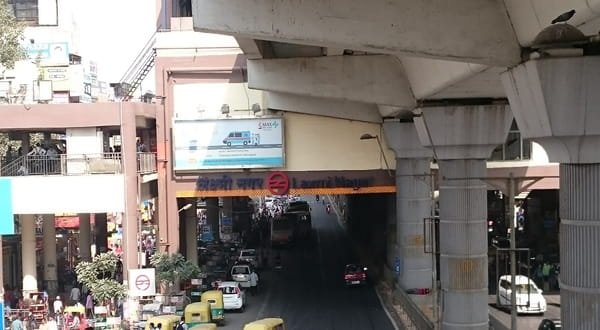
 Laxmi Nagar Metro Station is a prominent elevated station on the Pink Line of the Delhi Metro network. Located in the densely populated and commercially vibrant area of East Delhi, it serves as a key transit point for residents, office-goers, students, and shoppers. Inaugurated on March 31, 2019, as part of the Pink Line’s eastern corridor, the station has quickly become an essential lifeline for daily commuters traveling between East Delhi and other parts of the National Capital Region (NCR). Its strategic position near major roads and residential colonies makes it one of the busiest stations in the Pink Line network, handling significant footfall especially during peak hours.
Location
Laxmi Nagar Metro Station is situated in Laxmi Nagar, East Delhi, with the postal code 110092. It lies along the Vikas Marg corridor, near the intersection of Laxmi Nagar Main Market and Guru Nanak Basti. The station’s approximate geographic coordinates are 28.6305°N, 77.2780°E.
The surrounding area is a bustling mix of residential colonies, wholesale and retail markets, coaching centers, and commercial establishments. Key nearby landmarks include Laxmi Nagar Market (famous for garments, electronics, and household items), Shreshtha Vihar, Nirman Vihar, Preet Vihar, and Yamuna Sports Complex. The station’s elevated structure provides commuters with views of the dense urban landscape, wide Vikas Marg, and the vibrant street life below. Its location in East Delhi places it conveniently between areas like Anand Vihar and Mayur Vihar, serving as a natural gateway for people traveling to Central Delhi, South Delhi, or even crossing over to Noida.
Connectivity
Laxmi Nagar Metro Station offers excellent connectivity through the Pink Line, which is a circular and semi-circular route covering major parts of Delhi. Passengers can travel towards Majlis Park in the northwest or Shiv Vihar in the northeast, with easy access to interchange stations for other lines. This allows seamless journeys to key destinations such as Rajiv Chowk, Kashmere Gate, Lajpat Nagar, and further extensions.
Last-mile connectivity is strong with auto-rickshaws, e-rickshaws, taxis (Uber, Ola), and cycle-rickshaws available right outside the gates. DTC buses and cluster buses operate frequently along Vikas Marg, providing additional options to nearby colonies and commercial pockets. The station’s proximity to major roads like Vikas Marg and NH-24 ensures smooth private vehicle access toward Anand Vihar ISBT, Ghaziabad, or Noida.
For longer journeys, interchanges at stations like Welcome (for Red Line) or further connections help reach railway stations, bus terminals, and the airport. The station serves a diverse crowd — students attending coaching centers in Laxmi Nagar, office-goers heading to business districts, and families shopping in the local markets — significantly boosting the economic activity of the area.
Route and Operations
Laxmi Nagar Metro Station operates on the Pink Line (Line 7) with two side platforms in an elevated configuration:
- Platform 1: Trains towards Shiv Vihar. Next station: Nirman Vihar.
- Platform 2: Trains towards Majlis Park. Next station: Yamuna Bank or further towards Anand Vihar depending on the service.
The Pink Line is one of Delhi Metro’s longest corridors, offering extensive coverage across the city. Trains run at frequent intervals of 2-5 minutes during peak hours and slightly longer during off-peak periods. Operations typically begin around 5:30-6:00 AM and continue until 11:00 PM to midnight.
A journey from Laxmi Nagar to Rajiv Chowk usually takes 25-35 minutes, while traveling to major interchange points like Lajpat Nagar or Kashmere Gate is highly convenient. Fares are distance-based: short trips within East Delhi cost ₹20-40, while longer journeys across the city may range from ₹50-80. Automated announcements, digital display boards, and clear multilingual signage guide passengers efficiently. As a station in a commercial-residential hub, it experiences heavy rush during morning and evening peaks, as well as on weekends due to market activity.
Gates and Exits
Laxmi Nagar Metro Station has multiple gates (typically four operational gates) designed to disperse passengers effectively across the busy locality:
- Gate 1: Opens towards Laxmi Nagar Main Market and Vikas Marg. This is the most popular exit for shoppers and those heading to coaching centers and local businesses.
- Gate 2: Leads to residential areas of Laxmi Nagar and nearby societies. It is commonly used by local residents.
- Gate 3: Connects to Shreshtha Vihar and areas towards Preet Vihar. Ideal for commuters from these colonies.
- Gate 4: Provides access to additional commercial pockets and drop-off zones on the opposite side of Vikas Marg.
All gates are equipped with stairs, escalators, and elevators for smooth vertical movement. The station is fully Divyang-friendly, featuring ramps, tactile paving, priority lifts, dedicated seating, and assistance for differently-abled passengers. Clear signage and security personnel help manage crowds, especially during evening market hours. Well-organized drop-off and pick-up zones near the gates minimize traffic congestion on the busy Vikas Marg.
Facilities
Laxmi Nagar Metro Station is equipped with modern amenities to support high daily passenger volumes:
Ticketing and Information: Ticket counters, Automated Ticket Vending Machines (ATVMs), smart card recharge kiosks, and customer care desks are available on the concourse level. Real-time train updates and route maps help passengers plan journeys efficiently.
Parking: Paid parking facilities managed by DMRC are available for two-wheelers and limited four-wheelers. This is popular among daily commuters and shop owners in the area.
Banking and Retail: ATMs from major banks are installed near the station. Small kiosks sell snacks, beverages, newspapers, magazines, and essential items. The vibrant Laxmi Nagar Market just outside offers extensive food and shopping options.
Accessibility and Comfort: Escalators, elevators, clean Sulabh toilets, drinking water fountains, and adequate seating enhance comfort. The station features proper lighting, ventilation, air-conditioned areas where applicable, and announcements in Hindi and English. Mobile charging points and waiting areas add convenience for longer waits.
Safety and Security: Round-the-clock CCTV surveillance, fire safety systems, trained security staff, and emergency protocols maintain high safety standards. Lost-and-found counters and first-aid facilities are available.
Additional conveniences include well-maintained surroundings and easy access to nearby hospitals, coaching institutes, and eateries, making daily commuting smoother for residents.
Significance and Future Outlook
Laxmi Nagar Metro Station has significantly improved urban mobility in East Delhi. By providing fast and reliable connectivity, it has reduced travel time to central Delhi, boosted commercial activity in the local markets, and supported the large student population attending coaching centers. The station has also contributed to rising property values in surrounding residential colonies and promoted sustainable public transport by decreasing private vehicle usage.
Future developments under Delhi Metro Phase 4 and potential integrations with other lines will further enhance its importance. Infrastructure upgrades focusing on better crowd management, expanded parking, and improved last-mile connectivity are expected to address growing passenger demand.
In conclusion, Laxmi Nagar Metro Station exemplifies efficient and passenger-friendly urban transit. Its prime location in a bustling East Delhi neighborhood, strong Pink Line connectivity, well-planned routes, multiple accessible gates, and comprehensive facilities make it an indispensable hub for lakhs of daily users. Whether commuting to work, shopping in the local markets, or heading to coaching classes, the station delivers reliability, convenience, and comfort. As Delhi continues to grow, stations like Laxmi Nagar will remain central to the city’s sustainable mobility goals and urban development.