 By Kartikey Bhatt
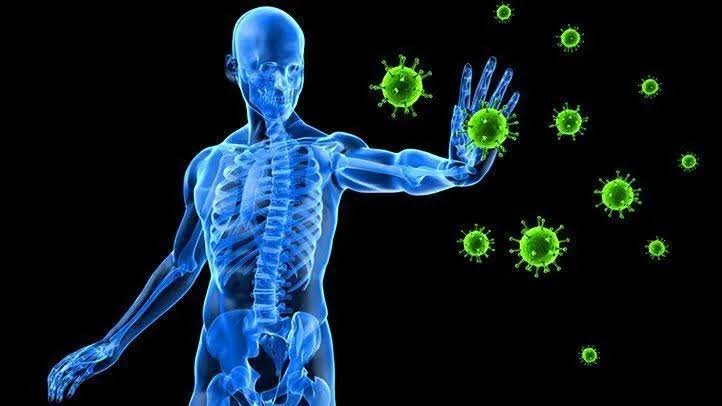
Every day, the human body encounters microorganisms through the air, food, water, surfaces and contact with other people. Some bacteria, viruses, fungi and parasites have the potential to cause disease, yet most encounters do not result in a serious infection. That is because the body has several layers of defence working continuously, often without us noticing.
Protection begins before a microorganism even enters the body. Skin forms a physical barrier, mucus traps particles, stomach acid creates a hostile environment for many swallowed microbes, and specialised immune cells patrol tissues looking for signs of trouble. If an infection develops, additional responses—including inflammation, fever, antibodies and specialised immune cells—can be activated.
For Indian readers, understanding these natural defences is especially useful because infections ranging from seasonal respiratory illnesses to mosquito-borne and food- or water-borne diseases remain common health concerns. It also helps explain why vaccination, hygiene, adequate nutrition and appropriate medical treatment are important.
How the Body Defends Itself at a Glance
| Defence | Main Role |
|---|---|
| Skin | Blocks many microorganisms from entering |
| Mucus | Traps particles and microbes |
| Cilia | Help move trapped material out of airways |
| Stomach Acid | Creates a hostile environment for many swallowed microbes |
| Innate Immunity | Provides rapid, broad defence |
| White Blood Cells | Perform specialised immune functions |
| Inflammation | Helps organise defence and repair |
| Fever | Can be part of the response to infection |
| Antibodies | Recognise specific targets |
| Immune Memory | Supports faster responses to certain repeat exposures |
1. Your Skin Is the First Line of Defence
The immune system does not wait until germs enter the bloodstream before responding.
Protection starts at the body’s surface.
Healthy skin creates a strong physical barrier between internal tissues and the outside environment. Its structure and chemical environment make it difficult for many microorganisms to enter.
That is why a cut, burn or other injury to the skin can increase the opportunity for infection.
The body also protects vulnerable openings with additional mechanisms.
These include:
- Mucus
- Tears
- Saliva
- Protective secretions
- Normal communities of microorganisms
Together, these defences reduce the number of potentially harmful organisms that successfully reach deeper tissues.
Keeping a wound clean and appropriately covered therefore supports a defence system the body already uses naturally.
2. Your Airways Have a Tiny Cleaning System
Every breath can bring dust, pollutants and microorganisms into the respiratory tract.
Fortunately, your airways contain an impressive cleaning mechanism.
Mucus helps trap inhaled particles, while microscopic hair-like structures called cilia help move mucus and trapped material towards the throat, where it can be swallowed or expelled.
Coughing and sneezing provide additional protective mechanisms by helping remove irritating material from the respiratory tract.
This system is one reason smoking can be particularly harmful. Tobacco smoke damages respiratory tissues and can interfere with normal airway defence mechanisms.
The nose and airways therefore do much more than simply transport air to the lungs.
3. Stomach Acid Helps Destroy Many Swallowed Microorganisms
Food and water can carry microorganisms into the digestive system.
The stomach provides another layer of protection.
Its highly acidic environment helps destroy or inhibit many swallowed microbes before they travel farther through the digestive tract.
However, stomach acid is not an impenetrable defence.
Some disease-causing organisms can survive passage through the stomach, particularly when exposure is sufficient or the organism has adaptations that allow survival.
That is why safe food and drinking-water practices remain essential.
Useful precautions include:
- Washing hands before preparing or eating food.
- Using safe drinking water.
- Cooking food adequately.
- Storing perishable foods appropriately.
- Avoiding obvious cross-contamination between raw and cooked foods.
Natural body defences reduce risk, but they do not replace good hygiene.
4. The Innate Immune System Can Respond Very Quickly
If a microorganism crosses the body’s physical barriers, the innate immune system can react rapidly.
Innate immunity does not need to recognise every pathogen with the same highly specific precision used by adaptive immunity.
Instead, cells can detect common molecular patterns associated with microorganisms or damaged tissues.
This can trigger responses involving:
- Immune-cell recruitment
- Inflammation
- Chemical signalling
- Destruction or engulfment of microbes
The speed of innate immunity makes it particularly important during the early stages of an infection.
It also helps activate and guide the more specialised adaptive immune response.
5. Some White Blood Cells Can Actually Engulf Microbes
Certain immune cells fight microorganisms in a remarkably direct way.
Cells including neutrophils and macrophages can engulf microbes and cellular debris through a process called phagocytosis.
The microorganism becomes enclosed inside the immune cell, where specialised mechanisms help destroy it.
Neutrophils are often among the early immune cells recruited to sites of bacterial infection.
Macrophages have multiple roles. In addition to engulfing material, they can:
- Clear damaged cells.
- Release signalling molecules.
- Participate in inflammation.
- Help coordinate other immune responses.
The thick material known as pus that can develop around some infections contains immune cells, damaged tissue and other material generated during the body’s response.
6. Inflammation Is Part of the Defence Process
Redness, warmth, swelling and pain around an infected cut may seem entirely negative.
But acute inflammation is an important defence mechanism.
When tissues detect injury or infection, chemical signals can alter local blood vessels and attract immune cells to the affected area.
This helps bring defensive resources where they are needed.
Inflammation can therefore support:
- Immune-cell recruitment
- Removal of damaged material
- Control of potential threats
- Tissue repair
The problem occurs when inflammation becomes excessive, inappropriate or persists for too long.
So describing all inflammation as harmful is misleading.
The body needs inflammation—it also needs mechanisms capable of controlling and resolving it.
7. Fever Can Be a Deliberate Response to Infection
Body temperature is normally regulated within a relatively narrow range.
During some infections, immune signals can cause the brain’s temperature-regulating system to temporarily maintain a higher temperature.
This produces fever.
Fever is therefore often part of the body’s coordinated response rather than the infection itself.
However, fever should not automatically be considered harmless.
Medical attention can be important depending on:
- The person’s age
- How high the temperature is
- How long it lasts
- Associated symptoms
- Existing health conditions
Fever in very young babies requires particular attention. Severe weakness, confusion, seizures, dehydration or breathing difficulty are also reasons to seek medical care promptly.
8. Antibodies Are Highly Specific
When the adaptive immune system responds to a particular target, B cells can develop into cells that produce antibodies.
Antibodies are proteins capable of recognising specific molecular structures called antigens.
They can help fight infection in several ways, including:
- Blocking certain pathogens or toxins.
- Marking targets for other immune mechanisms.
- Helping coordinate their removal.
However, antibodies are not universal weapons.
An antibody produced against one target does not automatically protect against an unrelated infection.
This is why previous exposure to one virus does not mean you are protected against every other virus.
The specificity of antibodies is both one of the immune system’s greatest strengths and a reason why immunity is so complex.
9. T Cells Can Help Destroy Infected Cells
Some pathogens, particularly viruses, reproduce inside human cells.
That creates a difficult problem: how can the immune system attack the infection when the pathogen is hiding inside the body’s own cells?
Certain T cells help solve this problem.
Cytotoxic T cells can recognise particular infected or abnormal cells and trigger their destruction.
Other T cells perform coordinating functions, helping regulate immune responses and supporting other immune cells.
The adaptive immune response therefore does not depend on antibodies alone.
Both B cells and T cells have important and complementary roles in protection against infection.
10. Your Immune System Can Remember Previous Encounters
Perhaps the most remarkable feature of adaptive immunity is its ability to develop immune memory.
After certain infections, populations of memory B cells and T cells can remain in the body.
If the same pathogen is encountered again, these cells may enable a quicker and more effective response.
This principle is also central to vaccination.
Vaccines expose the immune system to carefully designed antigens or instructions that allow it to develop a targeted response without requiring the person to experience the full natural disease.
Depending on the vaccine and disease, protection may:
- Last for many years.
- Require several initial doses.
- Need booster doses.
- Become less effective over time.
- Be affected by changes in the pathogen.
Immune memory is powerful, but it is not identical for every disease.
Everyday Habits That Support the Body’s Defences
There is no scientifically established food or supplement that makes a person completely resistant to infection.
Normal immune function depends on overall health.
Helpful everyday habits include:
- Eating a varied and nutritionally adequate diet.
- Getting sufficient protein, vitamins and minerals.
- Sleeping adequately.
- Staying physically active.
- Avoiding tobacco.
- Following recommended vaccination schedules.
- Washing hands appropriately.
- Using safe food and drinking water.
- Managing diabetes and other chronic conditions appropriately.
- Taking antibiotics only when prescribed for an appropriate bacterial infection.
Antibiotics do not treat viral infections such as the common cold, and unnecessary antibiotic use contributes to antimicrobial resistance—an important health challenge in India and worldwide.
FAQs
Q1. Does getting an infection mean my immune system is weak?
A. Not necessarily. Even people with normally functioning immune systems can develop infections. Risk depends on the pathogen, level of exposure, vaccination status, age, existing health conditions and many other factors.
Q2. Can vitamins prevent all infections?
A. No. Vitamins and minerals are necessary for normal immune function, particularly when someone has a deficiency, but supplements cannot guarantee protection against infections. Excessive supplementation may also cause unwanted effects.
Q3. Why do some infections occur more than once?
A. Immunity differs between infections. Some pathogens change over time, immune protection may decrease, or previous infection may not create complete long-term protection. Different strains of a microorganism can also cause similar illnesses.
Q4. When should an infection be checked by a doctor?
A. Seek medical advice for severe or worsening symptoms, difficulty breathing, confusion, persistent high fever, significant dehydration, severe pain or an infection that is not improving as expected. Babies, older adults and people with certain underlying conditions may require earlier assessment.