 By Kartikey Bhatt
Your heart has been working continuously since before you were born. While you sleep, travel, exercise, work or simply sit quietly, this muscular organ keeps blood moving throughout your body. Most people know that the heart pumps blood, but the scale and sophistication of what it does every day can be surprising.
The human heart is not simply a mechanical pump. It has its own electrical conduction system, changes its output according to the body’s needs and works closely with the lungs, blood vessels, nervous system and kidneys. Its health is also influenced by everyday factors such as physical activity, smoking, blood pressure, diabetes, diet and sleep.
For Indian readers, understanding the heart is particularly useful because cardiovascular disease remains a major public-health concern. Learning how the heart actually works can make common health advice—such as staying active or controlling blood pressure—much easier to understand.
Here are 10 surprising facts about the human heart that reveal just how remarkable this organ really is.
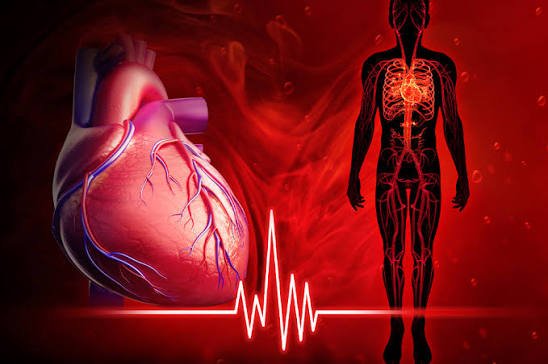
Human Heart at a Glance
| Feature | Interesting Fact |
|---|---|
| Main Function | Pumps blood throughout the body |
| Chambers | Four |
| Electrical System | Generates and conducts impulses |
| Average Resting Adult Heart Rate | Commonly around 60–100 beats per minute |
| Location | Chest, between the lungs, slightly left of centre |
| Right Side | Pumps blood towards the lungs |
| Left Side | Pumps oxygen-rich blood to the body |
| Largest Chamber | Left ventricle |
| Heart Sound | Mainly caused by valve closure |
| Major Health Risks | High BP, diabetes, smoking, high cholesterol and others |
1. Your Heart Can Beat Around 100,000 Times a Day
A resting adult heart commonly beats somewhere between 60 and 100 times per minute, although a person’s normal rate can vary.
Even at roughly 70 beats per minute, that works out to more than 100,000 beats in a day.
Think about what that means.
While you are eating breakfast, sitting in traffic, working, exercising and sleeping, the heart keeps contracting and relaxing without you consciously controlling every beat.
Heart rate also changes according to circumstances.
It may increase during:
- Exercise
- Emotional stress
- Fever
- Physical exertion
It generally becomes lower during periods of rest and sleep.
Well-trained athletes can also have lower resting heart rates because their cardiovascular systems may work more efficiently.
2. The Heart Pumps Thousands of Litres of Blood Every Day
One heartbeat does not move all the body’s blood at once. Instead, each contraction pushes a certain volume of blood forward.
When this happens tens of thousands of times, the total becomes enormous.
An adult heart can pump several thousand litres of blood over a single day, depending on heart rate, stroke volume, body size and activity level.
During exercise, the body’s demand for oxygen rises.
The heart responds by increasing its output so that working muscles receive more oxygen-rich blood.
This is one reason regular physical activity can be beneficial for cardiovascular fitness when appropriate for the individual.
3. Your Heart Has Its Own Electrical System
The heart does not wait for you to consciously tell it when to beat.
It contains specialised cells that generate and conduct electrical impulses.
A group of cells known as the sinoatrial node, or SA node, normally acts as the heart’s natural pacemaker.
An electrical signal travels through the heart in an organised sequence, helping the upper and lower chambers contract at appropriate times.
This electrical activity is what doctors examine through an electrocardiogram (ECG).
Problems with the electrical system can lead to abnormal heart rhythms called arrhythmias.
Some are harmless, while others may require medical evaluation or treatment.
4. Your Heart Is Not Completely on the Left Side
Children are often taught to place a hand on the left side of the chest when thinking about the heart.
This can create the impression that the entire heart sits on the left.
In reality, the heart is located near the centre of the chest between the lungs, behind the breastbone, with much of it positioned slightly towards the left.
The lower pointed part of the heart, called the apex, is directed towards the left side in most people.
Interestingly, rare congenital conditions can result in the heart being positioned differently, including on the right side of the chest.
5. The Two Sides of Your Heart Have Different Jobs
Although we call it one heart, its right and left sides perform different parts of the circulation process.
The right side receives oxygen-poor blood returning from the body and pumps it towards the lungs.
In the lungs, blood releases carbon dioxide and receives oxygen.
The oxygen-rich blood then returns to the left side of the heart, which pumps it throughout the body.
In simple terms:
Body → Right heart → Lungs → Left heart → Body
This continuous circulation allows tissues to receive oxygen and nutrients while helping transport waste products away.
6. The Left Ventricle Has an Especially Thick Muscular Wall
The heart contains four chambers:
- Right atrium
- Right ventricle
- Left atrium
- Left ventricle
These chambers do not all perform the same amount of work.
The right ventricle primarily needs to pump blood to the nearby lungs. The left ventricle, however, has to generate enough pressure to send blood through the systemic circulation to tissues throughout the body.
For this reason, its muscular wall is considerably thicker than that of the right ventricle.
This is an excellent example of how the structure of an organ is closely related to its function.
7. The Familiar “Lub-Dub” Comes Mainly From Heart Valves Closing
Doctors often listen to the heart with a stethoscope and hear the familiar “lub-dub” rhythm.
Those sounds are mainly associated with the closing of the heart valves.
The heart has four major valves:
- Tricuspid valve
- Pulmonary valve
- Mitral valve
- Aortic valve
These valves help keep blood moving in the correct direction.
The first major heart sound is primarily associated with closure of the mitral and tricuspid valves, while the second is associated with closure of the aortic and pulmonary valves.
Abnormal sounds, including certain heart murmurs, can sometimes indicate unusual blood flow. However, not every murmur represents a dangerous heart condition.
8. The Heart Muscle Needs Its Own Blood Supply
The heart pumps blood to the entire body, but the blood inside its chambers does not simply provide all the oxygen its muscular walls need.
The heart muscle itself requires a dedicated blood supply.
This is provided primarily by the coronary arteries.
If blood flow through a coronary artery becomes severely reduced or blocked, part of the heart muscle can become deprived of oxygen.
A prolonged blockage can cause a heart attack, in which heart muscle becomes injured.
This explains why coronary artery health is so important.
Risk reduction commonly includes attention to:
- Blood pressure
- Cholesterol
- Diabetes
- Smoking
- Physical activity
- Diet
- Healthy body weight where appropriate
Individual risk, however, should be assessed with a healthcare professional.
9. Exercise Makes Your Heart Work Harder Temporarily but Can Improve Fitness Over Time
When you walk quickly, run, cycle, swim or climb stairs, your muscles require more oxygen.
Your heart responds by beating faster and increasing the amount of blood supplied to the body.
With regular aerobic activity, the cardiovascular system can adapt.
Depending on the person, regular exercise can help improve cardiovascular fitness and support management of several heart-disease risk factors.
For many adults, useful activities can include:
- Brisk walking
- Cycling
- Swimming
- Jogging
- Dancing
- Recreational sports
People with known heart disease, significant symptoms or other medical conditions may need personalised advice before beginning vigorous exercise.
10. Heart Disease Does Not Always Announce Itself With Dramatic Chest Pain
Movies often portray a heart attack as sudden, severe chest pain followed by immediate collapse.
Real symptoms can be more varied.
Possible warning signs of a heart attack may include:
- Chest pressure, tightness or discomfort
- Pain spreading to the arm, shoulder, jaw, back or upper abdomen
- Shortness of breath
- Unusual sweating
- Nausea
- Light-headedness
- Unusual weakness or fatigue
Symptoms can differ between individuals, and some people—particularly those with diabetes—may experience less typical symptoms.
This is why unexplained or concerning symptoms should not be ignored simply because they do not resemble a dramatic movie scene.
Everyday Habits That Can Support Heart Health
Understanding the heart becomes more useful when that knowledge influences everyday choices.
General heart-healthy habits include:
- Avoiding tobacco and smoking.
- Staying physically active.
- Checking blood pressure periodically.
- Managing diabetes if present.
- Eating a balanced diet with plenty of vegetables, fruits, whole grains and other nutrient-rich foods.
- Limiting excessive salt, highly processed foods and unhealthy fats.
- Getting adequate sleep.
- Following prescribed medicines correctly.
- Attending recommended health check-ups.
There is no single food, supplement or exercise that can guarantee protection from heart disease.
Long-term cardiovascular health is influenced by a combination of genetics, age, medical conditions and lifestyle factors.
FAQs
Q1. What is considered a normal resting heart rate for adults?
A. For many adults, a resting heart rate between about 60 and 100 beats per minute is considered within the usual range. Athletes and physically fit individuals may naturally have lower rates. A persistently unusually fast or slow rate, especially with symptoms, should be discussed with a doctor.
Q2. Can a healthy-looking young person have heart problems?
A. Yes. Although cardiovascular risk generally increases with age, younger people can also develop heart conditions because of congenital problems, inherited disorders, abnormal rhythms or other medical factors. Concerning symptoms should therefore not be dismissed solely because someone is young.
Q3. Is chest pain always caused by the heart?
A. No. Chest discomfort can have many causes, including muscles, digestion, lungs and anxiety-related conditions. However, new, severe or unexplained chest pressure or pain—particularly with breathlessness, sweating, faintness or spreading pain—needs urgent medical attention.
Q4. How can I know whether my heart is healthy?
A. No single symptom or home measurement can completely confirm heart health. Blood pressure, medical history, family history, cholesterol, blood sugar and other risk factors may be considered. A doctor may recommend additional tests depending on age, symptoms and individual risk.