 By Akash Sharma
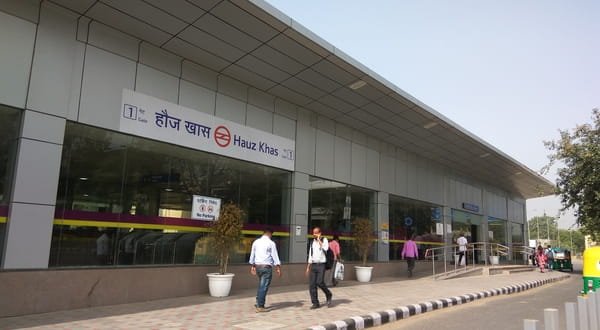
 Hauz Khas Metro Station is one of the most prominent and busiest interchange stations in the Delhi Metro network. Located in the heart of South Delhi, it serves as a vital transit hub connecting the Yellow Line and the Magenta Line. The station is popular not only among daily commuters but also among young professionals, students, and tourists who frequent the trendy Hauz Khas Village. Since becoming a full interchange in 2019–2020, it has significantly improved connectivity across South Delhi and has emerged as a preferred station for those traveling to educational institutions, corporate offices, markets, and cultural spots in the area.
Location
Hauz Khas Metro Station is situated on Sri Aurobindo Marg, near the iconic Hauz Khas Village, New Delhi, Delhi 110016. The station lies in a vibrant, upscale locality known for its blend of history, modernity, and urban lifestyle. Its approximate coordinates are 28°32′35″N 77°12′15″E.
The elevated and underground sections of the station are surrounded by landmarks such as Hauz Khas Village, Deer Park, Hauz Khas Lake, various colleges (including IIT Delhi nearby), and commercial areas. The locality features a mix of residential colonies (like Hauz Khas Enclave, Green Park, and SDA), shopping complexes, cafes, art galleries, and educational institutions. The historic Hauz Khas Complex with its medieval monuments adds cultural significance to the area. Being centrally located in South Delhi, the station serves residents and visitors from Green Park, Malviya Nagar, Panchsheel Park, and Safdarjung Enclave, making it a strategic node in the city’s transit system.
Connectivity
Hauz Khas Metro Station is a major interchange, connecting the Yellow Line (north-south) and the Magenta Line (east-west). This allows seamless transfers without exiting the paid area, significantly reducing travel time for cross-city journeys. The station integrates well with road transport through DTC buses, auto-rickshaws, taxis, and app-based cab services (Ola, Uber, Rapido) available at multiple exits.
The area around the station is well-served by bus routes heading towards AIIMS, Lajpat Nagar, Saket, and Gurgaon. Last-mile connectivity is excellent due to the dense network of narrow lanes, making autos and e-rickshaws readily available. Pedestrian pathways and foot overbridges connect the station to Hauz Khas Village and nearby markets. Park-and-ride facilities support commuters who drive from outer areas.
Its location makes it a preferred choice for students traveling to nearby colleges and professionals working in South Delhi’s corporate hubs. The interchange has eased pressure on road traffic and encouraged greater use of public transport in one of Delhi’s most congested yet culturally vibrant zones.
Route and Operations
Hauz Khas Metro Station operates on two lines:
- Yellow Line (Line 2): Runs from Samaypur Badli in the north to HUDA City Centre (Gurugram) in the south.
- Magenta Line (Line 8): Runs from Janakpuri West to Okhla Bird Sanctuary / Botanical Garden.
On the Yellow Line, it has side platforms, while the Magenta Line section is underground with island platforms. This dual configuration supports efficient interchange.
Neighboring stations (Yellow Line):
- Towards Samaypur Badli: Green Park
- Towards HUDA City Centre: Malviya Nagar
Neighboring stations (Magenta Line):
- One direction: R.K. Puram / Munirka
- Other direction: I.I.T. Delhi / Adchini
The station on the Yellow Line became operational in 2010, while full Magenta Line interchange services started in 2019–2020. Trains run from approximately 5:30–6:00 AM to 11:00–11:30 PM on both lines. Peak-hour frequencies are typically 4–8 minutes. Fares are distance-based, starting from ₹10. Short trips cost ₹10–20, while longer journeys across lines range between ₹30–70. Delhi Metro smart cards offer convenience and minor discounts.
Gates and Access Points
Hauz Khas Metro Station has multiple entry and exit gates (around 6–8) to manage high passenger volumes and provide access to different parts of the locality.
Key gates include:
- Gate 1 & 2: Lead towards Hauz Khas Village, Deer Park, and the lake side — popular among tourists and visitors to cafes and art spaces.
- Gate 3 & 4: Connect to Sri Aurobindo Marg, Green Park side, and residential colonies.
- Magenta Line gates: Provide direct access to IIT Delhi, R.K. Puram, and southern areas.
Escalators, staircases, and elevators ensure smooth movement between street level, concourse, and platforms. The station is fully Divyang-friendly with ramps, wide gates, tactile flooring, braille signage, and priority services. Wheelchairs are available on request. Clear signage and digital displays help commuters navigate the interchange efficiently. Multiple gates help prevent overcrowding, especially during evening hours when the village attracts large crowds.
Facilities
Hauz Khas Metro Station offers comprehensive modern facilities across its elevated (Yellow Line) and underground (Magenta Line) sections. The design focuses on passenger comfort, safety, and convenience in a high-footfall area.
Key facilities include:
- Parking: Paid parking is available for cars and two-wheelers, supporting park-and-ride users and visitors to the village.
- Accessibility: Excellent Divyang support with multiple elevators, ramps, wide automatic gates, and reserved spaces. The station is designed to be inclusive for senior citizens and passengers with special needs.
- Ticketing and Services: Token Vending Machines (TVMs), ticket counters, smart card recharge kiosks, and Automatic Fare Collection gates. Information desks and digital boards provide real-time train and interchange details.
- Convenience Amenities: Clean Sulabh toilets, drinking water facilities, seating areas, first-aid rooms, and small retail shops. ATMs from major banks are located within the station. Nearby Hauz Khas Village offers plenty of dining options.
- Safety and Support: 24/7 CCTV surveillance, fire safety systems, public announcement systems, security personnel, and regular housekeeping. The station maintains high cleanliness standards.
- Other Features: Air-conditioned concourses, good lighting, charging points, and clear wayfinding for interchange between Yellow and Magenta Lines. The layout ensures smooth passenger flow even during peak hours.
These facilities make the station particularly popular among young commuters and visitors who spend time in the artistic Hauz Khas Village.
Significance and Impact
Hauz Khas Metro Station has transformed mobility in South Delhi since becoming a full interchange. It has reduced travel time between different parts of the city and boosted economic activity in Hauz Khas Village by making it easily accessible. Students from nearby institutions and professionals working in South Delhi benefit greatly from its central location and interchange facility.
The station also supports tourism by providing convenient access to heritage sites, parks, and trendy cafes. As Delhi Metro expands further, Hauz Khas will continue to serve as a key node connecting residential, commercial, educational, and cultural zones. It symbolizes the successful integration of modern transit with Delhi’s historic and contemporary urban fabric.
In conclusion, Hauz Khas Metro Station stands out for its prime location in a culturally rich and vibrant South Delhi neighborhood, excellent interchange connectivity, efficient operations on Yellow and Magenta Lines, multiple accessible gates, and comprehensive passenger facilities. It remains an indispensable part of daily commuting and urban exploration in the capital, offering reliability, comfort, and convenience to lakhs of users every month.