 By Akash Sharma
 Botanical Garden Metro Station is a prominent interchange hub in Noida, Uttar Pradesh, serving as a critical link in the Delhi Metro network. It connects the Blue Line and the Magenta Line, facilitating seamless travel between Delhi, Noida, and other parts of the National Capital Region (NCR). Named after the renowned Botanical Garden of Indian Republic located nearby, the station was opened on the Blue Line in November 2009 and became an interchange with the Magenta Line in December 2017. Its strategic position makes it a bustling transit point for daily commuters, professionals, students, and visitors heading to Noida’s residential sectors, commercial areas, and entertainment hubs.
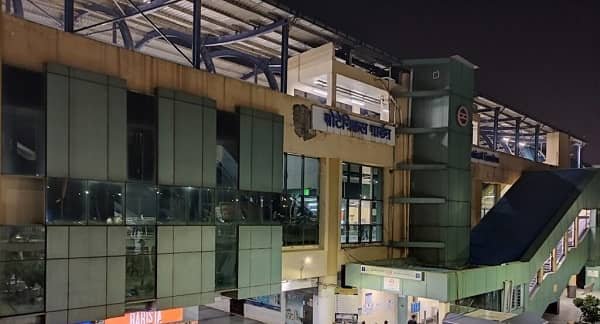
Location
Botanical Garden Metro Station is located in Sector 38, Noida, Uttar Pradesh, with the pincode 201301. Its geographic coordinates are approximately 28.5642°N 77.3348°E. The station lies along Capt. Vijyant Thapar Marg and is situated near the border of Delhi and Noida, making it easily accessible from both sides.
The area around the station features a mix of residential societies, educational institutions, hospitals, and commercial developments. Key nearby landmarks include Amity University, Noida Golf Course, sectors like 37, 38, and 29, Chhalera Village, and Salapur Village. The famous Noida Botanical Garden (also known as the Botanical Garden of Indian Republic) is in close proximity, offering a green oasis with diverse plant species, which adds to the station’s identity. The elevated structure of the station provides commuters with views of the developing urban landscape, including high-rise apartments, malls, and wide roads. Its location in a rapidly growing part of Noida supports both local mobility and connectivity to Delhi’s bustling core.
Connectivity
As a major interchange station, Botanical Garden offers excellent multi-modal connectivity. It serves as a gateway for commuters traveling between East Delhi, Central Delhi, South Delhi, and various parts of Noida and Greater Noida.
On the road side, the station is well-linked with auto-rickshaws, e-rickshaws, taxis (including app-based services like Uber and Ola), and private vehicles. Although dedicated feeder bus services may be limited, nearby bus terminals in Sector 37 and other routes provide additional options for last-mile connectivity. The surrounding road network, including connections to the Noida-Greater Noida Expressway and major arterial roads, ensures smooth access to residential pockets, offices, and educational institutions.
The station’s interchange facility allows passengers to switch between the Blue and Magenta Lines without exiting the paid area, significantly reducing travel time. This makes journeys to IGI Airport, major railway stations, and commercial districts highly convenient. Future expansions, including potential integration with Noida Metro’s Aqua Line extensions, are expected to further strengthen its role as a regional transit node, connecting deeper into Greater Noida areas like Sector 142.
Route and Operations
Botanical Garden Metro Station operates on two lines with four side platforms:
Blue Line (Line 3/4):
- Platform 1: Towards Noida Electronic City (Next station: Golf Course)
- Platform 2: Towards Dwarka Sector 21 (Next station: Noida Sector 18)
Magenta Line (Line 8):
- Platform 3: Terminal platform (trains terminate here)
- Platform 4: Towards Janakpuri West / Krishna Park Extension (Next station: Okhla Bird Sanctuary)
The station features an elevated structure with two platform levels. Trains on the Blue Line run frequently, with intervals of 2-5 minutes during peak hours and slightly longer during off-peak periods. Operations generally start around 5:30-6:00 AM and continue until 11:00 PM to midnight. Magenta Line services follow similar timings, offering a faster route to South and West Delhi, including direct access to the airport.
The Blue Line provides extensive coverage across Delhi NCR, passing through iconic spots like Rajiv Chowk, Yamuna Bank, and Mayur Vihar. The Magenta Line offers a modern, faster corridor via stations like Hauz Khas, Kalkaji Mandir, and Okhla Bird Sanctuary. Fares are distance-based: short trips within Noida may cost ₹10-30, while journeys to central Delhi or the airport typically range from ₹40-80. Digital information boards, automated announcements, and clear signage help passengers navigate efficiently. As an interchange, the station sees heavy footfall, especially during morning and evening rush hours.
Gates and Exits
The station has four gates, designed to distribute passenger flow effectively across surrounding areas:
- Gate 1: Leads towards Chhalera Village, Amity University, Salapur Village, and Sector 37 Bus Terminal. This gate is popular among students and residents of nearby villages and sectors.
- Gate 2: Opens towards Amar Shaheed Vijayant Enclave (Sector 29), N.M.C. Hospital, Arun Vihar (Sector 37), and parking facilities.
- Gate 3: Provides access to Captain Vijyant Thapar Marg, authority parking, and metro parking areas.
- Gate 4: Connects to multi-level parking, Amar Shaheed Vijayant Enclave, and additional routes towards Sector 29 and 37.
Gates 1, 2, and 3 primarily open towards Captain Vijyant Thapar Marg, while Gate 4 is convenient for those using parking facilities. All gates are equipped with stairs, escalators, and elevators for easy movement. The station is Divyang-friendly, featuring ramps, tactile paving, dedicated seating, and priority assistance for differently-abled passengers. Clear signage and security staff guide commuters, especially during peak times. Drop-off and pick-up zones near the gates help manage vehicular traffic smoothly.
Facilities
Botanical Garden Metro Station is equipped with modern amenities to ensure a comfortable experience for all users:
Ticketing and Information: Ticket counters, Automated Ticket Vending Machines (ATVMs), and smart card recharge facilities are available on the concourse level. Customer care desks offer route guidance, real-time train information, and journey planning support.
Parking and Transport: Paid parking is available, including multi-level facilities accommodating two-wheelers and four-wheelers. This makes it convenient for park-and-ride users. Organized auto and taxi stands are located near the exits.
Banking and Retail: While ATMs may not be directly inside the station in large numbers, nearby areas have banking options. Small kiosks within or around the station sell snacks, beverages, newspapers, and essential items. The proximity to malls like DLF Mall of India and The Great India Place provides additional shopping and dining choices.
Accessibility and Comfort: The station includes escalators, elevators, lifts, clean Sulabh toilets, and drinking water fountains. Air-conditioned waiting areas, adequate seating, and proper lighting enhance comfort. Wi-Fi services (where provided), mobile charging points, and announcements in multiple languages cater to diverse passengers.
Safety and Security: Round-the-clock CCTV surveillance, fire safety systems, and trained security personnel maintain high safety standards. First-aid facilities, lost-and-found counters, and emergency protocols are in place. The station’s design incorporates natural lighting and ventilation where possible.
Additional conveniences include dedicated spaces for senior citizens and women, book stalls (in surrounding areas), and easy access to nearby hospitals and educational institutions.
Significance and Future Outlook
Botanical Garden Metro Station plays a vital role in Noida’s urban mobility. By connecting Delhi’s extensive metro network with Noida’s growing residential and commercial zones, it supports economic activity, real estate development, and daily commuting for lakhs of people. Its proximity to educational hubs like Amity University, entertainment destinations, and the serene Botanical Garden makes it popular among students, families, and tourists.
The station has contributed to reducing road congestion and promoting sustainable public transport in the NCR. With planned extensions, including links to Noida Metro’s Aqua Line and further corridors towards Sector 142, its importance is set to grow. These developments will improve connectivity to emerging business and residential areas in Greater Noida.
Challenges like peak-hour crowding are managed through efficient operations and periodic infrastructure upgrades. The station continues to evolve with better crowd management, enhanced facilities, and integration with other transit modes.
In conclusion, Botanical Garden Metro Station stands as a dynamic interchange hub that combines strategic location, seamless connectivity, efficient routes, well-planned gates, and modern facilities. It serves as a reliable lifeline for commuters traveling between Noida and Delhi while supporting the vibrant lifestyle of the surrounding community. As Noida expands, this station will remain central to sustainable urban development and improved quality of life in the region.