 By Kartikey Bhatt
 Peeragarhi Metro Station is a prominent elevated station on the Green Line of the Delhi Metro system. Located in West Delhi, it serves as a vital transit hub for residents of Peeragarhi, Paschim Vihar, Nangloi, and surrounding areas. Opened on 2 April 2010 as part of the Green Line expansion, the station has become an essential part of daily commuting for thousands of office-goers, students, and local residents. Its strategic position along the Rohtak Road corridor has significantly improved connectivity in one of West Delhi’s rapidly developing residential and commercial zones, offering a fast, reliable, and affordable alternative to congested road travel.
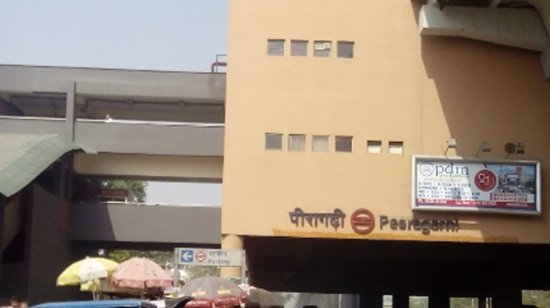
Peeragarhi Metro Station Location
Peeragarhi Metro Station is situated on Rohtak Road (NH-10), near Peeragarhi Chowk, in the Peeragarhi area of New Delhi, Delhi 110087. The elevated structure stands prominently at this busy intersection, with approximate coordinates of 28°40′50″N 77°05′20″E.
The station lies in a vibrant mixed-use locality that includes residential colonies (such as Peeragarhi Village, Paschim Vihar, and Meera Bagh), wholesale markets, small industries, schools, and hospitals. Peeragarhi Chowk is a well-known landmark in West Delhi, serving as a major junction connecting Rohtak Road with areas leading to Outer Ring Road and Haryana. The surrounding environment features a blend of middle-class housing societies, commercial establishments, and daily markets. Being elevated, the station provides excellent visibility while maintaining smooth traffic flow on the busy Rohtak Road below. Its location makes it a natural gateway for commuters traveling between West Delhi and other parts of the city, as well as for those coming from neighbouring areas of Haryana.
Peeragarhi Metro Station Connectivity
Peeragarhi Metro Station offers strong multimodal connectivity, making it highly convenient for daily commuters in West Delhi. It integrates seamlessly with road transport through DTC buses, with the nearby Peeragarhi Bus Stand providing extensive services to various destinations across Delhi and Haryana. Auto-rickshaws, e-rickshaws, taxis, and app-based cab services (Ola, Uber, Rapido) are readily available at the station exits for quick last-mile connectivity.
The station supports feeder bus services to interior residential pockets and industrial areas. Park-and-ride facilities with dedicated parking encourage commuters from outer sectors to drive short distances and switch to metro, reducing overall road congestion on Rohtak Road. Its position on the Green Line allows efficient interchange at stations like Kirti Nagar (Blue Line) and Inderlok (Red Line), enabling seamless travel to different parts of Delhi.
Commuters benefit from direct connectivity to major destinations such as Kirti Nagar, Rajouri Garden, Punjabi Bagh, and Bahadurgarh. This robust connectivity has reduced dependency on private vehicles, eased traffic pressure on Rohtak Road, and promoted sustainable urban mobility in one of West Delhi’s busiest corridors. The station has also supported local economic activity by making markets and commercial areas more accessible to a wider customer base.
Peeragarhi Metro Station Route and Operations
Peeragarhi Metro Station operates on the Green Line (Line 5) of Delhi Metro. It is an elevated station with two side platforms. Platform 1 serves trains towards Bahadurgarh (westbound), while Platform 2 serves trains towards Inderlok / Kirti Nagar (eastbound).
Neighboring stations:
- Towards Bahadurgarh (West): Paschim Vihar West
- Towards Inderlok (East): Udyog Nagar
The Green Line is one of Delhi Metro’s important corridors, running from Inderlok / Kirti Nagar to Bahadurgarh (Haryana), passing through key areas such as Punjabi Bagh, Rajouri Garden, Ashok Park Main, and Nangloi. The journey from Peeragarhi to Kirti Nagar takes around 20–25 minutes, while a full end-to-end trip on the Green Line takes approximately 50–60 minutes.
The station has been operational since 2 April 2010. Trains generally run from around 5:30–6:00 AM to 11:00–11:30 PM. Peak-hour frequencies are typically 4–8 minutes, extending to 8–12 minutes during off-peak times. Fares are distance-based, starting from a minimum of ₹10. Short trips to nearby stations cost ₹10–20, while longer journeys to central Delhi or Bahadurgarh range between ₹30–60. Delhi Metro smart cards offer convenience, minor discounts, and easy recharges for regular users. The elevated ride provides views of West Delhi’s urban landscape, residential colonies, and bustling markets.
Peeragarhi Metro Station Gates and Access Points
Peeragarhi Metro Station features multiple entry and exit gates designed for efficient passenger dispersal in this high-density residential-commercial area.
Key gates include:
- Gate 1: Leads towards Peeragarhi main market, residential societies, and local shopping areas.
- Gate 2: Connects to Rohtak Road and roads leading to Paschim Vihar.
- Gate 3: Serves the other side of the station, linking to Udyog Nagar and nearby industrial pockets.
Escalators, staircases, and dedicated elevators connect street level to the concourse (mezzanine with ticketing and services) and then to the platforms. The station is fully Divyang-friendly with ramps, wide automatic gates, tactile flooring, braille signage, and priority services. Wheelchairs are available on request. Clear signage and well-lit pathways help commuters navigate quickly, especially during morning and evening rush hours. The gate arrangement effectively prevents overcrowding and provides direct access to buses, autos, and surrounding landmarks.
Peeragarhi Metro Station Facilities
Peeragarhi Metro Station is equipped with modern, passenger-friendly amenities in its elevated three-level design: street level (entrances/exits), concourse level (ticketing and services), and platform level.
Key facilities include:
- Parking: Paid parking is available with capacity for cars and two-wheelers, supporting park-and-ride commuters and local residents.
- Accessibility: Excellent Divyang support with elevators, ramps, wide gates, tactile paths, and reserved spaces. Staff assistance is readily available.
- Ticketing and Services: Token Vending Machines (TVMs), ticket counters, smart card recharge kiosks, and Automatic Fare Collection gates. Information desks and digital displays provide real-time train schedules and route guidance.
- Convenience Amenities: Clean Sulabh toilets, drinking water facilities, seating areas, first-aid support, and small retail kiosks for quick purchases. ATMs are available within or near the station premises.
- Safety and Support: 24/7 CCTV surveillance, fire safety systems, public announcement systems, security personnel, and regular housekeeping. The station maintains high standards of cleanliness and order.
- Other Features: Air-conditioned concourse areas, good lighting, feeder bus connectivity information, and clear wayfinding. The layout ensures logical passenger flow, minimizing congestion even during peak hours.
These facilities make the station particularly practical for daily office-goers, students, and local traders who rely on it regularly.
Significance and Impact
Since its opening in 2010, Peeragarhi Metro Station has significantly enhanced mobility in West Delhi. By providing reliable connectivity to central and other parts of the city, it has reduced travel times, lowered private vehicle usage, and contributed to decreased traffic congestion on Rohtak Road. The station has supported local economic activity by making markets and commercial areas more accessible.
For residents of Peeragarhi, Paschim Vihar, and nearby colonies, it serves as a daily lifeline for commuting to work, education, and markets. Its presence has encouraged planned urban development in the surrounding areas. As Delhi Metro expands with Phase 4 and future extensions, Peeragarhi station will continue to play a vital role in the Green Line corridor, supporting sustainable growth in West Delhi.
In conclusion, Peeragarhi Metro Station exemplifies effective urban transit planning with its strategic location in a busy West Delhi neighborhood, strong multimodal connectivity, efficient Green Line operations, accessible gates, and comprehensive modern facilities. It not only facilitates smoother daily travel but also contributes to the economic and social development of the region. Whether you are a local resident heading to work, a student commuting to college, or a trader visiting the market, Peeragarhi Metro Station offers reliability, comfort, and convenience every day.