 By Akash Sharma
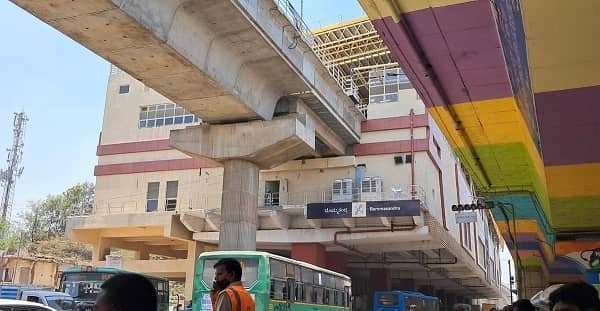
 Bommasandra Metro Station, also known as Delta Electronics Bommasandra Metro Station, is the southern terminal station on the Yellow Line of Namma Metro in Bengaluru. Located in the industrial and residential hub of South Bengaluru, it serves as a critical endpoint for commuters traveling to and from Electronic City and surrounding areas. Inaugurated on 10 August 2025, the station has quickly become an essential transit point for thousands of IT professionals, industrial workers, students, and residents. Its elevated structure and modern facilities provide a fast, reliable, and air-conditioned alternative to the heavily congested Hosur Road and Electronic City corridors.
Location
Bommasandra Metro Station is situated in Bommasandra Industrial Area, Anekal Taluk, Bengaluru, Karnataka 560099. The elevated station lies along the Hosur Road corridor, near the intersection of major roads leading to Electronic City Phase 2, Bommasandra, and Attibele. Its strategic placement makes it the last station on the Yellow Line, serving as a gateway to the southernmost parts of Bengaluru’s expanding urban sprawl.
The surrounding area is a dynamic mix of large-scale industries, IT and electronics manufacturing units, residential apartments, and commercial establishments. Key landmarks near the station include Delta Electronics, several manufacturing plants, schools, hospitals, and residential projects. Bommasandra has grown rapidly due to its proximity to Electronic City, one of India’s largest IT hubs. The locality offers a blend of industrial activity and residential development, attracting workers and families seeking affordable housing with improving connectivity. The elevated design of the station minimizes ground-level disruption while providing excellent visibility and access in this fast-developing southern corridor.
Connectivity
Bommasandra Metro Station provides strong multimodal connectivity, making it highly convenient for daily commuters and industrial workers. It integrates well with road transport through BMTC buses, with major bus stops located nearby offering services to Electronic City, Hosur, and other parts of Bengaluru. Auto-rickshaws, taxis, and app-based cab services (Ola, Uber, Rapido) are readily available at the station exits for quick last-mile connectivity.
The station supports feeder bus services to interior industrial areas and residential pockets. Park-and-ride facilities, especially for two-wheelers, encourage commuters from farther areas like Attibele and Hosur to drive short distances and switch to metro. As the southern terminal, it serves as a major entry and exit point for passengers traveling from South Bengaluru towards central and northern parts of the city.
Its connectivity has significantly eased traffic pressure on Hosur Road and surrounding stretches. Professionals working in Electronic City and Bommasandra industries now enjoy more predictable commute times. The station also benefits long-distance travelers coming from Tamil Nadu via Hosur by providing seamless access to the metro network. Overall, it promotes sustainable mobility by reducing private vehicle usage in one of Bengaluru’s fastest-growing industrial-residential zones.
Route and Operations
Bommasandra Metro Station is the southern terminal on the Yellow Line (North-South Corridor) of Namma Metro. As a terminal station, it features side platforms with tracks ending here. Trains originate from Bommasandra towards Rashtreeya Vidyalaya Road (RV Road) in the north.
Neighboring station:
- Towards RV Road (North): Electronic City (previous station)
The Yellow Line spans approximately 19 km with 16 elevated stations, connecting RV Road (with interchange to Green Line) to Bommasandra via Jayanagar, BTM Layout, Silk Board, and Electronic City. The full end-to-end journey takes around 35–45 minutes, offering substantial time savings compared to road travel during peak hours.
The station became operational on 10 August 2025. Trains generally run from around 5:00 AM to 11:00 PM. First trains towards RV Road begin early morning, with the last services in the late evening. Peak-hour frequencies are typically 5–8 minutes, with slightly longer intervals during off-peak times. Fares are distance-based, starting from a minimum of ₹10. Short trips to Electronic City or Silk Board cost ₹10–20, while a full journey to RV Road ranges between ₹40–60. Namma Metro smart cards provide convenience, minor discounts, and easy recharges for regular users. The elevated ride offers scenic views of South Bengaluru’s industrial landscape, IT parks, residential colonies, and green patches.
Gates and Access Points
Bommasandra Metro Station features multiple entry and exit gates designed for efficient passenger dispersal in this industrial-residential area. The station layout supports smooth movement for both terminating and originating passengers.
Key gates connect to:
- Main Hosur Road and industrial areas.
- Residential societies and local markets.
- Auto-rickshaw stands, bus bays, and parking facilities on both sides of the station.
Escalators, staircases, and dedicated elevators link street level to the concourse (mezzanine with ticketing and services) and then to the platforms. The station is fully Divyang-friendly with ramps, wide automatic gates, tactile flooring, braille signage, and priority services. Wheelchairs are available on request. Clear signage and well-lit pathways help manage daily footfall, especially during morning and evening shift timings of nearby industries. The gate system effectively prevents overcrowding and provides direct access to surrounding transport modes and workplaces.
Facilities
Bommasandra Metro Station offers modern, commuter-focused amenities suited to a busy terminal station. The elevated three-level design includes street level (entrances/exits), concourse level (ticketing and services), and platform level.
Key facilities include:
- Parking: Dedicated paid parking is available for two-wheelers and four-wheelers. This is particularly useful for industrial workers and residents who drive from nearby areas. Bicycle parking is also provided.
- Accessibility: Fully inclusive with elevators, escalators, ramps, wide gates, tactile paths, and reserved spaces. The station prioritizes ease of movement for differently-abled passengers, senior citizens, and workers carrying tools or luggage.
- Ticketing and Services: Token Vending Machines (TVMs), ticket counters, smart card recharge kiosks, and Automatic Fare Collection gates. Digital information boards display real-time train schedules and route guidance.
- Convenience Amenities: Clean restrooms, drinking water facilities, seating areas on the concourse and platforms, first-aid support, and small retail kiosks for quick purchases. ATMs are available within or near the station premises.
- Safety and Support: 24/7 CCTV surveillance, fire safety systems, public announcement systems, security personnel, and regular housekeeping. The station maintains high standards of cleanliness and order.
- Other Features: Air-conditioned concourse areas, good lighting, feeder bus connectivity, and clear wayfinding. The terminal layout ensures efficient passenger flow even during peak industrial shift hours.
These facilities make the station particularly practical for working professionals and daily commuters in the Bommasandra-Electronic City belt.
Significance and Impact
Since its inauguration in August 2025, Bommasandra Metro Station has transformed mobility in southern Bengaluru. As the southern anchor of the Yellow Line, it has extended reliable public transport reach to industrial and residential areas that previously depended heavily on road travel. The station has reduced commute times, lowered private vehicle usage, and contributed to decreased traffic congestion and pollution along Hosur Road.
For industrial workers, IT employees, and residents, it serves as a daily lifeline connecting homes to workplaces and educational institutions. The station supports economic growth in the Electronic City-Bommasandra corridor by making the area more accessible to a wider workforce. As Namma Metro expands with additional lines and extensions, Bommasandra’s importance as a southern terminal will continue to grow, playing a key role in Bengaluru’s sustainable urban development.
In conclusion, Bommasandra Metro Station stands as an excellent example of modern urban transit infrastructure. With its strategic terminal location in a rapidly developing industrial-residential zone, strong multimodal connectivity, efficient Yellow Line operations, accessible gates, and comprehensive passenger facilities, it delivers reliability and comfort to thousands of daily users. Whether you are an industrial worker starting your shift, an IT professional commuting from the city, or a resident traveling south, Bommasandra Metro Station offers speed, convenience, and an important link in Bengaluru’s evolving transport network.