 By Akash Sharma
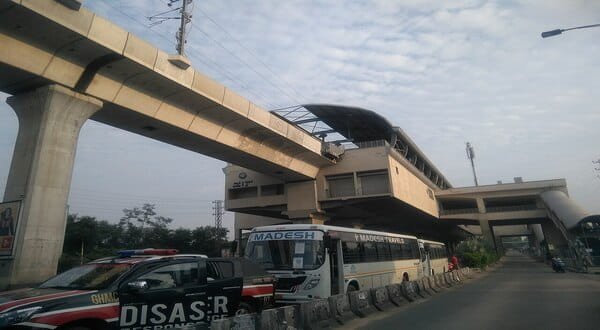
 Uppal Metro Station is a prominent elevated station on the Blue Line of the Hyderabad Metro Rail. Located in the eastern part of Hyderabad, Telangana, it serves as a key transit hub for residents, students, IT professionals, and daily commuters in the Uppal and surrounding areas. Opened on November 29, 2017, as part of the first phase of Hyderabad Metro, the station has significantly improved connectivity in this rapidly growing industrial and residential zone. Its strategic position along the Inner Ring Road makes it an important stop for those traveling between eastern Hyderabad and the western IT corridors like HITECH City and Raidurg.
Location
Uppal Metro Station is situated at Inner Ring Road, Survey Colony, Industrial Development Area (IDA) Uppal, Hyderabad, Telangana 500039. Its geographic coordinates are approximately 17.405°N, 78.560°E. The station stands in a vibrant mixed-use area that combines industrial zones, residential colonies, educational institutions, and commercial establishments.
The surrounding locality includes Uppal Cross Roads, Vijayapuri Colony, Ramanthapur, and Nagole areas. Key nearby landmarks are Kendriya Vidyalaya Uppal, St. Mary’s College, Uppal Bus Stand, and various industrial units in IDA Uppal. The elevated structure of the station offers clear views of the bustling Ring Road traffic and the developing urban landscape of East Hyderabad. Its location makes it a natural gateway for commuters from areas like Habsiguda, Ramanthapur, and further towards Ghatkesar, while providing quick access to central Hyderabad via the metro network.
Connectivity
Uppal Metro Station provides excellent multi-modal connectivity as part of the Blue Line corridor. It links the eastern suburbs with western and central parts of Hyderabad, allowing seamless travel to major destinations such as Ameerpet (interchange station), SR Nagar, Punjagutta, Lakdi-ka-Pul, and Raidurg. Commuters can reach key commercial hubs, educational institutions, and residential areas efficiently.
Last-mile connectivity is strong with auto-rickshaws, e-rickshaws, taxis (including Uber and Ola), and TSRTC buses available near the station exits. The proximity to Uppal Bus Stand and Inner Ring Road enhances road-based travel options toward Warangal Highway, Ghatkesar, and other peripheral areas. For passengers heading to the airport or other distant locations, interchanges at Ameerpet or further stations offer convenient transfers.
The station serves a diverse user base, including students from nearby colleges, employees working in IDA Uppal industries, and residents of Vijayapuri Colony and Ramanthapur. This connectivity has boosted real estate development and commercial activity in East Hyderabad while reducing road congestion on the heavily trafficked Ring Road.
Route and Operations
Uppal Metro Station operates on the Blue Line (Corridor II) of the Hyderabad Metro with two side platforms in an elevated configuration:
- Platform 1: Eastbound trains towards Nagole.
- Platform 2: Westbound trains towards Raidurg.
The Blue Line stretches approximately 29-30 km, connecting Nagole in the east to Raidurg in the west, passing through major commercial and residential zones. Trains run at frequent intervals of 4-8 minutes during peak hours and slightly longer during off-peak times. Operations generally begin around 6:00 AM and continue until 10:30-11:00 PM, depending on the schedule.
A typical journey from Uppal to Ameerpet takes about 20-25 minutes, while a full end-to-end trip to Raidurg may take around 45-60 minutes. Fares are distance-based, ranging from ₹10 to ₹60-70 for most trips. Smart cards, tokens, and digital payment options are available. Automated announcements in Telugu, Hindi, and English, along with digital display boards and clear signage, assist passengers in navigating the station efficiently. As a busy station in a densely populated area, it sees high footfall during morning and evening rush hours.
Gates and Exits
Uppal Metro Station features four well-planned entry and exit gates, designed to serve different parts of the locality:
- Gate A: Opens towards Uppal Cross Road and Ghatkesar Road. This gate is convenient for passengers heading toward areas along the Warangal Highway and nearby commercial spots.
- Gate B: Leads to Vijayapuri Colony and Nagole Road. It is popular among residents of Vijayapuri Colony and those traveling toward Nagole.
- Gate C: Provides access to IDA Uppal and surrounding industrial areas. This exit serves employees and businesses in the industrial development zone.
- Gate D: Connects to Ramanthapur Road and additional parts of IDA Uppal. It is frequently used by locals from Ramanthapur and nearby residential pockets.
All gates are equipped with stairs, escalators, and elevators for smooth movement between street level and the elevated concourse and platforms. The station is fully Divyang-friendly, featuring ramps, tactile paving, priority lifts, dedicated seating, and assistance for differently-abled passengers. Clear signage and security personnel help manage passenger flow, especially during peak times. Drop-off and pick-up zones near the gates are organized to handle the traffic along the busy Inner Ring Road.
Facilities
Uppal Metro Station offers a comprehensive range of modern amenities to ensure passenger comfort and convenience:
Ticketing and Information: Ticket counters, Automated Ticket Vending Machines (ATVMs), smart card recharge kiosks, and customer care desks are available on the concourse level. Real-time train information and route maps support easy journey planning.
Parking: Paid parking facilities are available for both two-wheelers and four-wheelers. This makes the station popular among park-and-ride users from surrounding residential and industrial areas.
Banking and Retail: ATMs from major banks are installed for quick cash access. Small retail outlets and kiosks sell snacks, beverages, newspapers, magazines, and essential travel items. Nearby local markets and eateries supplement shopping and dining needs.
Accessibility and Comfort: Escalators, elevators, clean washrooms (Sulabh facilities), drinking water fountains, and adequate seating enhance the commuting experience. The station features proper lighting, ventilation, and air-conditioned areas where applicable. Announcements are available in multiple languages to cater to diverse passengers.
Safety and Security: Round-the-clock CCTV surveillance, fire safety systems, trained security staff, and emergency protocols maintain high safety standards. First-aid facilities, lost-and-found counters, and other support services are readily available.
Additional conveniences include retail shops on the concourse level and good integration with surrounding infrastructure. The elevated design allows natural light and air circulation, contributing to a pleasant atmosphere even during peak hours.
Significance and Future Outlook
Uppal Metro Station has transformed mobility in eastern Hyderabad. By providing fast, reliable, and affordable public transport, it has reduced travel times to central and western parts of the city, boosted economic activity in IDA Uppal, and supported residential growth in colonies like Vijayapuri and Ramanthapur. The station plays a vital role in connecting industrial workers, students, and IT professionals to their workplaces and educational institutions.
As Hyderabad’s metro network expands with new corridors and extensions, Uppal Station’s importance is expected to increase. Future improvements may include enhanced parking facilities, better last-mile connectivity options, and upgraded passenger amenities to handle growing ridership. Challenges such as peak-hour crowding are managed through efficient operations and periodic infrastructure reviews by Hyderabad Metro Rail Limited (HMRL).
In conclusion, Uppal Metro Station stands as a dynamic and well-equipped urban transit hub on Hyderabad’s Blue Line. Its strategic location in a key eastern suburb, strong connectivity across the city, efficient route operations, multiple accessible gates, and modern facilities make it an indispensable part of daily life for thousands of commuters. Whether traveling to the IT hubs in the west, educational institutions, or local industrial areas, the station offers reliability, convenience, and comfort, contributing significantly to the sustainable growth of Hyderabad as a modern metropolis.