 By Akash Sharma
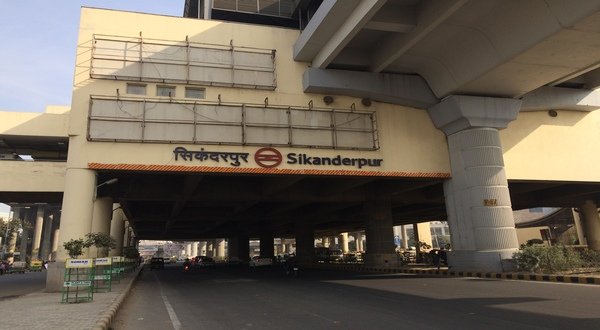
 Sikandarpur Metro Station (also spelled Sikanderpur) is a vital interchange hub in Gurugram, Haryana, serving both the Delhi Metro’s Yellow Line and the Gurgaon Rapid Metro system. Located in a prime commercial and residential zone, it plays a crucial role in connecting Delhi with key business districts in Gurugram, including DLF Cyber City and various corporate hubs. Opened on the Yellow Line on June 21, 2010, and integrated with the Rapid Metro on November 14, 2013, the station handles significant daily footfall from professionals, residents, and shoppers. Its elevated structure and seamless interchange facility make it one of the most strategically important stations in the National Capital Region (NCR).
Location
Sikandarpur Metro Station is situated in DLF Phase 1, Sector 26, Gurugram, Haryana, with the pincode 122002. Its geographic coordinates are approximately 28.4814°N 77.0931°E. The station lies along the busy National Highway 48 (Delhi-Jaipur Highway) and is in close proximity to Sikanderpur Village, from which it derives its name.
It is surrounded by prominent landmarks such as DLF Phase 1 and Phase 2 residential and commercial areas, Bristol Chowk, and major corporate offices. The area features a blend of upscale residential societies, shopping complexes, hotels, and business parks. Being close to the highway, the station benefits from excellent visibility and accessibility. The elevated design offers commuters panoramic views of the rapidly developing Gurugram skyline, with high-rise buildings and green spaces dotting the landscape. Its central position in the Millennium City makes it a preferred transit point for those traveling between Delhi and southern Gurugram’s IT and corporate corridors.
Connectivity
Sikandarpur stands out as a major interchange station, seamlessly linking the Delhi Metro Yellow Line with the Gurgaon Rapid Metro. This dual connectivity makes it highly efficient for multi-modal travel within the NCR.
On the Delhi Metro side, it connects passengers to key areas in Delhi such as Hauz Khas, Rajiv Chowk, Chandni Chowk, New Delhi Railway Station, and further to Samaypur Badli. Commuters can interchange at stations like Central Secretariat or Kashmere Gate for other lines, enabling easy access to airports, major railway terminals, and commercial districts.
The Gurgaon Rapid Metro (also known as Rapid Metro Gurgaon) extends connectivity deeper into Gurugram’s business hubs. From Sikandarpur, passengers can travel to DLF Phase 2, Phase 3, Moulsari Avenue, Cyber City, and Sector 55-56 areas. A covered elevated walkway facilitates smooth transfer between the two systems, minimizing walking time and exposure to weather.
Last-mile connectivity is robust with auto-rickshaws, e-rickshaws, taxis (Uber, Ola), and feeder bus services available at designated points near the exits. Proximity to NH-48 and internal roads like Golf Course Road and Mehrauli-Gurgaon Road allows quick access by private vehicles. The station also supports inter-city travel links to Manesar, Delhi, and beyond. Future expansions of the Gurugram Metro network are expected to further strengthen its role as a regional transit node.
Route and Operations
Sikandarpur Metro Station operates on the Yellow Line of the Delhi Metro and serves as a key point on the Rapid Metro network. It features four platforms in total—two side platforms for the Delhi Metro and two for the Rapid Metro.
Delhi Metro (Yellow Line):
- Platform 1: Towards Millennium City Centre Gurugram (HUDA City Centre) – Next station: MG Road
- Platform 2: Towards Samaypur Badli – Next station: Guru Dronacharya
Rapid Metro:
- Platform 1: Towards Sector 55-56
- Platform 2: Towards Phase 3 (via Moulsari Avenue and other stations)
The Yellow Line provides connectivity across a long corridor spanning Delhi and Gurugram. Trains run frequently, with intervals of 2-5 minutes during peak hours and slightly longer during off-peak. Operations typically begin around 5:30-6:00 AM and continue until 11:00 PM-midnight. The Rapid Metro services complement this with dedicated timings, offering quick intra-Gurugram travel, often with first trains around 6:00 AM and last services around 10:00-11:00 PM.
Fares are reasonable: short trips within Gurugram may cost ₹20-40, while a journey to central Delhi (e.g., Rajiv Chowk) is around ₹50-60. Digital displays, automated announcements, and clear signage guide passengers. As an interchange station, it experiences heavy rush hours, particularly in the morning and evening when professionals commute to and from Cyber City and other corporate areas.
The station’s design as an elevated structure with side platforms ensures efficient train operations and passenger movement.
Gates and Exits
Sikandarpur Metro Station is equipped with multiple gates and entrances to facilitate smooth dispersal of passengers across both sides of the road and nearby areas. Entry/exit points are available on either side of the highway, with dedicated access for Delhi Metro and Rapid Metro sections.
Key gates typically lead to:
- DLF Phase 1 residential and commercial zones
- Sikanderpur Village and local markets
- Bristol Chowk and highway-side drop-off points
- Rapid Metro interchange walkway
The covered elevated walkway is a highlight, allowing passengers to cross between the Delhi Metro and Rapid Metro platforms without descending to street level. This feature significantly enhances convenience and safety. Stairs, escalators, and elevators are provided at all major access points, ensuring universal accessibility. Divyang-friendly features include ramps, tactile paving, and priority assistance for differently-abled passengers.
Signage is prominent, with security personnel and station staff available to guide crowds, especially during peak times. Drop-off and pick-up zones near the gates help manage vehicular traffic efficiently.
Facilities
Sikandarpur Metro Station offers a comprehensive range of modern facilities to cater to daily commuters and occasional travelers:
Ticketing and Information: Ticket counters, Automated Ticket Vending Machines (ATVMs), and smart card recharge kiosks are available on the concourse level. Customer care desks provide route assistance, real-time updates, and journey planning support.
Banking and Retail: ATMs from major banks are installed for convenient cash access. Small retail shops and kiosks sell snacks, beverages, newspapers, magazines, and essential travel items. Food outlets offer quick bites for hungry passengers.
Parking and Transport: Parking facilities are available for two-wheelers and four-wheelers, making it popular among park-and-ride users. Feeder bus services and organized auto/taxi stands provide reliable last-mile options. Bicycle parking is also supported, promoting eco-friendly commuting.
Accessibility and Comfort: The station is fully equipped for accessibility with wheelchairs, ramps, elevators, and dedicated seating. Clean restrooms (Sulabh facilities), drinking water fountains, and air-conditioned waiting areas enhance comfort. Wi-Fi services (where available through DMRC), mobile charging points, and adequate seating are provided.
Safety and Security: 24/7 CCTV surveillance, fire safety systems, and trained security staff ensure a secure environment. Announcements in multiple languages, first-aid facilities, and lost-and-found counters add to passenger convenience.
Additional amenities include proper lighting, natural ventilation in parts of the station, and clear digital boards for train timings. The interchange walkway is well-maintained and weather-protected.
Significance and Future Outlook
Sikandarpur Metro Station is more than a transit point—it is a bustling urban connector that supports Gurugram’s economic growth. By linking Delhi’s vast metro network with Gurugram’s corporate and residential zones, it has boosted real estate development, commercial activity, and employment opportunities in surrounding areas. Daily ridership reflects its importance for IT professionals, business executives, and local residents.
The station has witnessed infrastructure improvements over the years to handle growing passenger volumes. With ongoing and planned expansions of the Gurugram Metro corridors, its significance is set to increase further. Integration with new lines will enhance connectivity to emerging areas like Dwarka Expressway and additional sectors.
Challenges such as peak-hour congestion and traffic around the station are managed through continuous monitoring and crowd management strategies. Its role in promoting sustainable public transport aligns with broader urban mobility goals in the NCR.
In conclusion, Sikandarpur Metro Station exemplifies efficient, integrated urban transit. Its strategic location in Gurugram, seamless connectivity between Delhi Metro and Rapid Metro, well-planned routes, multiple access gates, and modern facilities make it an indispensable hub for lakhs of users. Whether commuting daily to work in Cyber City, traveling to Delhi, or exploring Gurugram, the station delivers reliability, convenience, and comfort. As the region continues to expand, Sikandarpur will remain a cornerstone of NCR’s public transportation ecosystem.